

Switching your electricity supplier in Massachusetts takes about 10 minutes using the state’s official Energy Switch MA platform, maintained by the Department of Public Utilities. Since Massachusetts deregulated its energy market in the late 1990s, residents and businesses have been able to choose their own competitive electric supplier while keeping their existing utility for delivery and service. The DPU licenses all competitive suppliers and built Energy Switch MA specifically to help you compare available electric supply products side by side, making it straightforward to find plans that match your budget and sustainability goals.
Here’s what makes this process different from switching in other states: your local utility company continues to deliver your electricity and handle all service calls, billing, and infrastructure maintenance. You’re simply selecting who generates and supplies the power. Many eco-conscious homeowners use this opportunity to switch to suppliers offering higher renewable energy content than the standard utility mix, reducing their carbon footprint without installing equipment on their property.
The Attorney General’s Office has monitored the competitive electric supply market since 2018, publishing regular reports to ensure consumer protection. This oversight means the suppliers you’ll find on Energy Switch MA meet state licensing requirements and operate under regulatory supervision. Whether you’re looking to lock in a fixed rate, access 100% renewable energy, or simply reduce your monthly electricity costs, the platform provides verified options available to your specific service address.
This guide walks you through the complete switching process, from gathering your account information to verifying your new supplier is active, ensuring you make an informed decision that aligns with your energy and environmental priorities.
Understanding Massachusetts Energy Deregulation
Massachusetts deregulated its energy market starting in the early 1990s, with the movement gaining real traction by the end of that decade. This shift fundamentally changed how residents access electricity, breaking up the traditional monopoly model where a single utility controlled both the generation and delivery of power.
Under deregulation, you can now choose your electricity supplier rather than being locked into one option. Your local utility company still owns and maintains the power lines, handles meter reading, and responds to outages, but you decide who generates the electricity flowing through those lines. This separation created a competitive marketplace where multiple suppliers can offer different rates, contract terms, and energy sources.
The Massachusetts Department of Public Utilities oversees this competitive landscape by licensing suppliers and ensuring they meet state standards. This regulatory framework provides a baseline of consumer protection, vetting companies before they can serve Massachusetts customers. Adding another layer of oversight, Attorney General reports since 2018 have analyzed the competitive supply market, tracking performance and flagging potential issues.
The practical result is that you’re not simply stuck with your utility’s default rate. You can shop around, compare offers, and select a supplier that aligns with your budget or sustainability goals. The DPU developed Energy Switch MA specifically to make this comparison process easier, giving you a centralized platform to evaluate your options rather than contacting each supplier individually.
What You Need Before Switching Suppliers

Before you begin comparing suppliers on Energy Switch MA, gather a few key pieces of information to make the process smooth and efficient. Having these details on hand ensures you can accurately compare rates and complete enrollment without delays.
What to Have Ready:
- A recent utility bill (ideally from the last month or two)
- Your utility account number
- Your service address as it appears on your bill
- Your current electricity rate per kilowatt-hour (kWh)
- Access to the Energy Switch MA website
Your utility bill contains the most critical information. The account number identifies your service uniquely in the system, allowing suppliers to process your switch correctly. Your service address must match exactly what’s on file with your utility company, as even minor discrepancies can delay enrollment.
Knowing your current rate is essential for meaningful comparisons. Without this baseline, you can’t determine whether a competitive offer actually saves you money. Look for the supply charge on your bill, typically listed separately from delivery charges. This is the portion you’ll be changing when you switch suppliers.
The Energy Switch MA website, developed by the Massachusetts Department of Public Utilities, serves as your comparison tool. You’ll use it to view licensed competitive suppliers and their current product offerings. Make sure you can access the site from a device where you can comfortably review multiple options side by side. If you’re exploring broader energy independence, you might also consider solar panel options as a long-term alternative to traditional grid supply.
Important Considerations Before You Switch
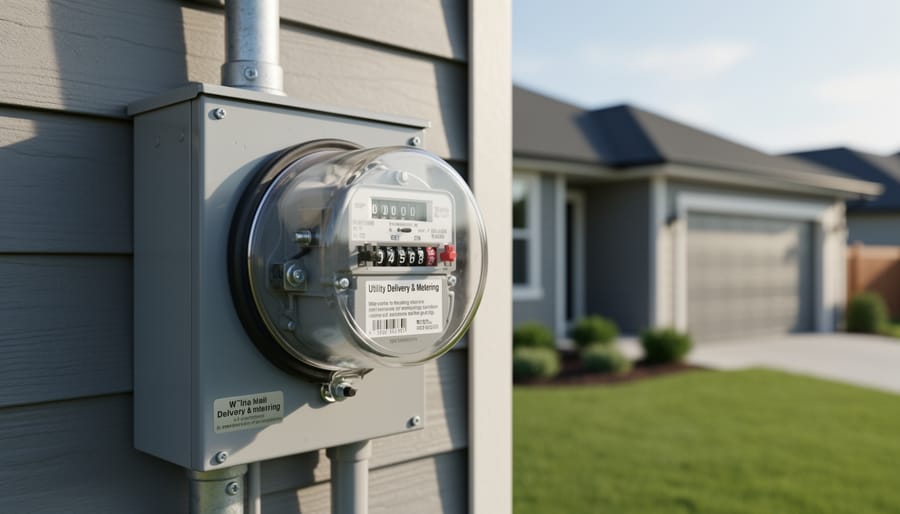
Before switching electricity suppliers in Massachusetts, you need to understand what changes and, crucially, what stays exactly the same. This clarity will help you avoid common misconceptions and make better comparisons between competitive supply offers.
Your local utility (Eversource, National Grid, or Unitil) remains your distribution company regardless of which competitive supplier you choose. They’ll still own the power lines, maintain the infrastructure, restore service during storms, and send you a consolidated monthly bill. The only change is the supply portion of that bill, which reflects the rate from your chosen competitive supplier.
This separation catches many consumers off-guard. Some mistakenly believe switching means changing everything about their electricity service, or worry they’ll lose reliability. Neither is true. Your utility’s delivery charge, customer charge, and all regulated fees remain on your bill; only the supply rate changes.
When comparing offers on Energy Switch MA, watch for these common pitfalls: introductory rates that spike after a few months, variable rates that fluctuate unpredictably, automatic renewal terms that lock you into higher rates, and cancellation fees buried in the fine print. Read the Electricity Facts Label for each product carefully, it’s designed to make these terms transparent.
If you’re exploring renewable energy options as part of your switching decision, understanding these market dynamics helps you evaluate whether a green supply plan or a home solar investment better fits your goals. Making informed purchasing decisions about energy starts with knowing exactly what you’re controlling and what remains fixed in Massachusetts’ deregulated system.
Step-by-Step: How to Switch Your Energy Supplier
Step 1: Compare Competitive Electric Supply Products

Start by visiting the Energy Switch MA comparison tool developed by the Massachusetts Department of Public Utilities. This official resource displays licensed suppliers side by side, making it straightforward to evaluate your options. Enter your ZIP code and utility provider to generate a customized list of available products.
Focus on three key areas when reviewing offers. First, compare the rate structure: fixed rates lock in a price per kilowatt-hour for the contract term, while variable rates fluctuate monthly based on market conditions. Second, examine contract lengths carefully. Plans range from month-to-month agreements to multi-year commitments, and early termination fees vary widely. Third, identify renewable energy content if reducing your carbon footprint matters to you. Some suppliers offer 100% renewable options, while others blend traditional and green sources.
The best energy rates aren’t always the lowest per-kilowatt-hour price. Calculate total cost by multiplying the rate by your typical monthly usage, then add any fees. A slightly higher rate with no monthly service charge often beats a rock-bottom rate buried under administrative costs.
This official comparison sets the foundation for our complete step-by-step switching process. For homeowners weighing long-term energy independence, exploring how competitive electricity rates stack up against a renewable investment like rooftop solar can clarify which path delivers better value over time.
Step 2: Check Supplier Availability for Your Utility Territory
Not all electricity suppliers operate in every corner of Massachusetts. Your geographic location and utility company determine which competitive suppliers you can actually choose from.
Start by identifying your current utility provider, look at the company name on your recent bill. Massachusetts has several utility territories, including Eversource, National Grid, and Unitil, among others. Each competitive supplier decides which territories to serve based on their own business strategy and capacity.
The Shopping for Electric Supply website automatically filters available suppliers when you enter your account information. You’ll only see plans from suppliers licensed to serve your specific utility area. This prevents you from wasting time comparing offers you can’t actually access.
Why does availability vary? Suppliers must register separately with the Department of Public Utilities for each utility territory they want to serve. Smaller suppliers might focus on one or two regions, while larger ones operate statewide. The number of available suppliers in your area can range from a handful to several dozen depending on your location.
If you’re exploring ways to reduce your reliance on the grid entirely, consider reading our reviews of the best solar panels for Massachusetts homeowners. You can verify your exact supplier options by entering your utility account number on the Energy Switch MA platform, which will display only the products available in your service territory.
Step 3: Select and Enroll in a Supplier Plan
Once you’ve narrowed down your options, it’s time to commit to a plan. Start by reviewing your typical monthly energy usage from recent utility bills to match your consumption patterns with the right contract structure. If your usage stays fairly consistent, a fixed-rate plan offers predictable costs. Variable-rate plans can work if you’re willing to monitor market fluctuations, but they carry more risk.
Look beyond the headline rate. Check the contract length, common terms run 6, 12, or 24 months, and note any early termination fees. If renewable energy matters to you, confirm the percentage of green power in the product mix. Some plans offer 50% renewable content, while others go to 100%. This decision ties into broader considerations about solar panels and renewable energy benefits, especially if you’re exploring long-term sustainability.
The enrollment process is straightforward. Most suppliers let you sign up directly through their websites or by phone. You’ll provide your utility account number, service address, and sometimes the meter number from your bill. The supplier submits your enrollment to your utility company, which processes the switch without requiring any action from you.
Expect a confirmation email or letter within a few days. This document outlines your rate, contract terms, and the date your new supply service begins. Sarah M., a Watertown homeowner, told us: “I enrolled online in about ten minutes. The confirmation arrived the next day, and my first bill under the new rate showed up exactly when they said it would. No interruptions, no hassle.”
Keep that confirmation with your energy records. If you’re comparing renewable energy sources or considering portable power solutions for backup, this baseline rate helps you evaluate future options.
Step 4: Wait for the Switch to Process
Once you’ve enrolled in a new electricity supply plan, the switch typically takes one to two billing cycles to complete. This processing period exists because your utility must coordinate with your new competitive supplier to transfer your account at the start of your next meter reading cycle.
During the transition, your electricity service continues without interruption. Your utility company still delivers power to your home, maintains the infrastructure, and responds to any outages exactly as before. You won’t notice any physical change in your service, no technician visits are required, and your lights stay on throughout the entire process.
You’ll receive two important communications confirming your switch. First, your new competitive supplier will send a welcome letter or email with your contract details, start date, and customer service contact information. Second, your utility company will send a notice acknowledging the supplier change. Keep both documents for your records.
Your first bill after the switch may show charges from both your old rate (for the portion of the billing period before the switch) and your new supplier’s rate (for the remainder). This is normal and reflects the exact date your new supply service began. Review this bill carefully to verify the switch processed correctly and that you’re being charged the rate you agreed to when enrolling.
Verifying Your Supplier Switch and What Happens Next
Your switch becomes official when your utility bill reflects the new supplier, typically within one to two billing cycles after enrollment. The transition happens automatically behind the scenes, so you won’t notice any interruption in service or need to do anything additional once you’ve completed the enrollment process.
Check your next utility bill carefully to confirm the switch. Your bill will now show two distinct sections: one for supply charges from your new competitive supplier and another for delivery charges from your utility company. The utility company continues to handle all physical infrastructure, metering, and emergency response regardless of who supplies your electricity. This separation might look unfamiliar at first, but it’s the standard format for Massachusetts residents who’ve chosen a competitive supplier.
To verify your switch verification succeeded, confirm these details in order:
- Your new supplier’s name appears in the supply section of your bill
- The supply rate matches what you agreed to during enrollment
- Your utility company still appears as the delivery provider
- All charges are itemized separately so you can track both components
Keep your first few bills after switching to monitor that rates stay consistent with your contract terms. If you notice discrepancies or unexpected charges, contact your new supplier directly first, as they handle billing questions about the supply portion. Your utility company remains your point of contact for outages, service issues, and delivery-related concerns. The process works similarly for those switching in PA and other deregulated markets, though specific timelines and supplier options vary by state. For readers exploring broader energy independence, portable power solutions offer backup capabilities that complement any supply arrangement.
Common Questions About Switching Energy Suppliers in Massachusetts
Will I lose power during the switch?
No, you won’t experience any service interruption when switching suppliers. Your local utility continues to deliver electricity through the same wires and maintains all infrastructure, so the switch happens seamlessly on the billing side only.
Can I switch back to my utility’s basic service?
Yes, you can return to your utility’s basic service at any time, though your supplier’s contract may include cancellation fees. Contact your competitive supplier to end service, and you’ll automatically return to your utility’s standard rates within one billing cycle.
What happens if I move to a new address in Massachusetts?
Your competitive supply contract typically doesn’t transfer to a new address. You’ll need to cancel service at your old location and sign up separately at your new address, checking which suppliers serve that utility territory through Energy Switch MA.
How do renewable energy options work with competitive suppliers?
Many competitive suppliers offer plans with higher percentages of renewable energy than the standard utility mix. These suppliers purchase renewable energy credits or source from clean energy projects, which you’ll see reflected in your plan details on Energy Switch MA.
Are there cancellation fees if I want to switch suppliers again?
It depends on your contract terms. Fixed-rate plans often include early termination fees, while variable-rate plans typically allow cancellation without penalty. Always review the contract details on Energy Switch MA before enrolling to understand cancellation terms.
Who do I call if my power goes out after switching?
Always contact your local utility company for outages, not your competitive supplier. The utility owns the wires and handles all service restoration, maintenance, and emergency response regardless of which supplier you’ve chosen.
These questions come up repeatedly because switching suppliers represents a shift in how Massachusetts residents think about their electricity service. The confusion often stems from not realizing that the Massachusetts Department of Public Utilities licenses competitive suppliers to handle only the supply portion, while utilities retain all delivery and service responsibilities.
One concern we hear from readers who’ve switched is uncertainty about billing. Your utility bill will show charges from both your competitive supplier (for the electricity itself) and your utility (for delivery, distribution, and any applicable fees). This split billing format surprises some customers at first, but it clearly shows what you’re paying each entity.
Contract length matters more than many realize. A 12-month fixed rate protects you from price swings but locks you in, while a variable rate gives flexibility at the cost of potential rate increases. Before committing, consider how long you plan to stay at your current address and whether rate stability or flexibility matters more for your situation.
Switching energy suppliers in Massachusetts doesn’t have to be complicated. Energy Switch MA, developed by the Department of Public Utilities, gives you a straightforward, trusted platform to compare competitive electric supply products and make an informed choice that fits your budget and values. Whether you’re looking to lower your monthly costs or commit to renewable energy options, the process is simpler than most people expect.
You’ve now got the roadmap: gather your utility bill, compare available products, check supplier availability for your territory, and enroll. The switch happens seamlessly in the background with no service interruption, and your utility company continues handling delivery and outage support just as before.
If you’re exploring broader energy independence, check out our guides on solar panels and portable power solutions to see how renewable technologies can complement or even replace grid reliance. Making the switch is one step toward smarter energy decisions. Take it, and discover what works best for your home or business.