The five main renewable energy sources are solar, wind, hydropower, geothermal, and biomass. Each one turns a naturally replenishing resource into usable power, and each suits a different kind of property, budget, and climate. Solar and wind get most of the attention, but hydropower, geothermal, and biomass quietly supply heat and electricity in places where the sun and wind aren’t reliable.
Choosing between them is where most people stall. Specs on a product page don’t tell you how a system holds up through a hot summer, a freezing winter, or years of daily use. That’s why we judge every source with the same practical lens: how much usable energy it delivers, what it costs to install and maintain, how long it lasts, and how well it fits a real home or business. Our product evaluation process is built to protect your investment, so the comparisons below come from hands-on testing rather than marketing claims.
Homeowners tend to ask the same few questions: Will this actually lower my bills? Is my property a good match? What will it demand from me after installation? Business owners add one more: how fast does it pay for itself? We keep those questions in view as we walk through each source, starting with how it works in plain terms and ending with who it suits best.
Why Testing Matters More Than the Label on the Box
What We Measure and Why It Matters to You
Every test metric we track maps to something you’ll feel in your wallet or your daily routine. Power output and efficiency tell you how much usable energy you’ll get from the sun, wind, or water you have, which shows up as lower bills. Durability is your reliability measure: a product that survives years of weather keeps paying you back. Noise decides whether a turbine or heat pump is a good neighbor. Safety and ease of installation protect your home, your budget, and your peace of mind.
Here’s the sequence we follow, so you know what’s behind our findings, and so you can spot product integrity in any review you read:
- Unbox the product and check that every part matches the listing, noting build quality and the clarity of the instructions.
- Set it up as a typical homeowner would, timing the process and recording any problems along the way.
- Measure output and efficiency under normal conditions and compare the numbers to the manufacturer’s rating.
- Stress test it with heat, cold, wind, rain, or heavy loads to see where it struggles.
- Check noise levels and safety features during extended runs.
- Follow up after weeks or months of regular use, logging wear, performance drift, and upkeep needs.
Skipping any one of these steps leaves a gap in what a buyer can trust.
The 5 Renewable Sources and What Rigorous Testing Looks Like for Each
Solar: Testing Panels and Portable Power Under Real Sun and Real Shade
Solar is the easiest of the five sources to test badly, because a panel in a showroom looks identical to one that will disappoint you in October. So we test under the conditions you will actually live with.
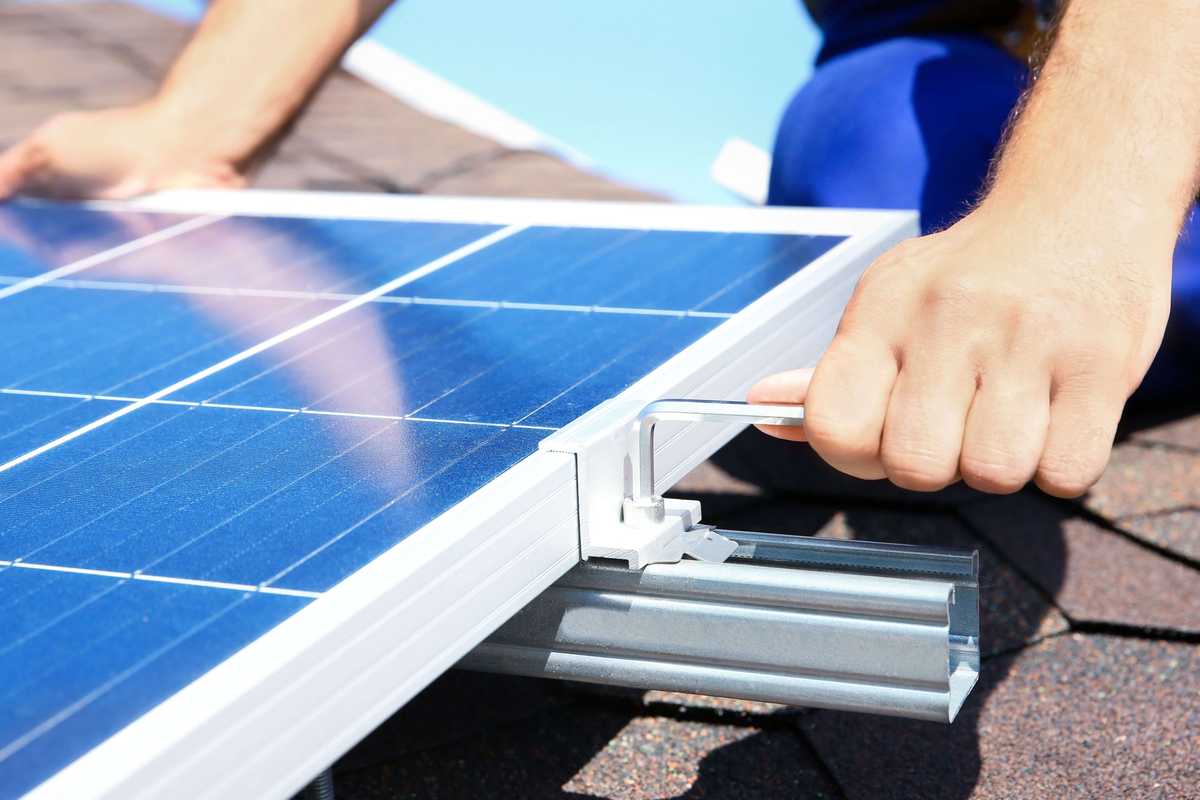
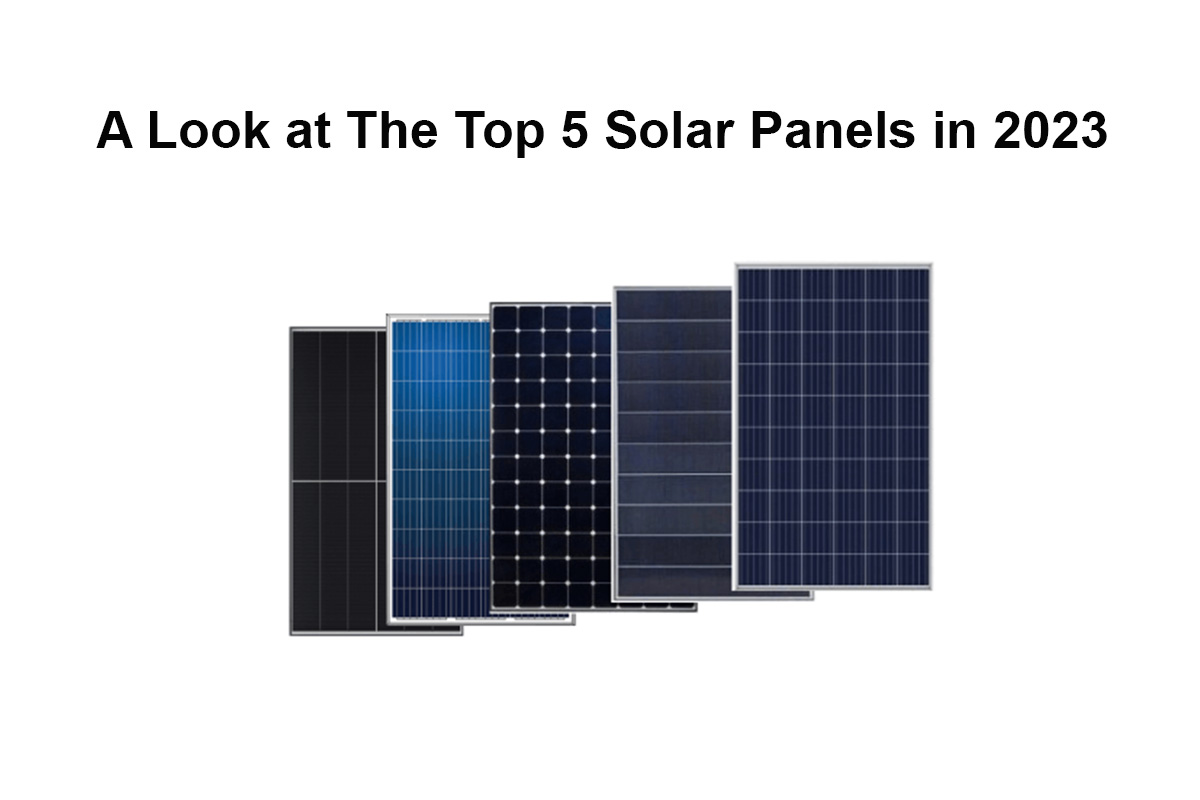
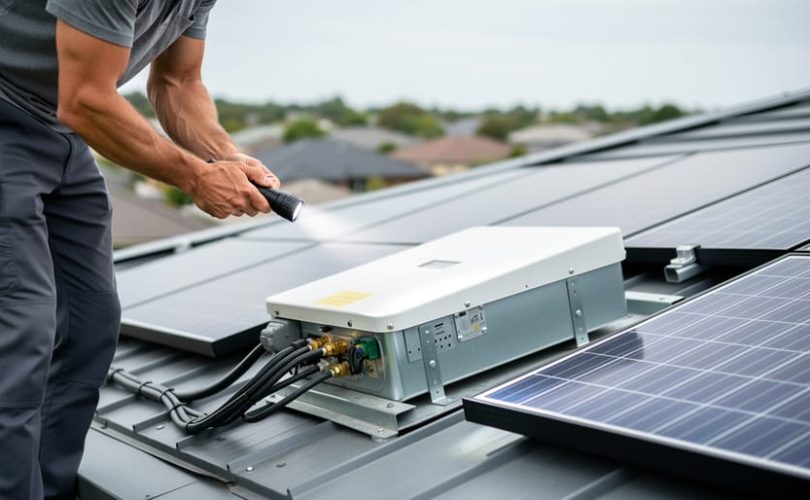
For panels, we log output in full midday sun, then again under thin cloud and heavy overcast. Many products hold up well in clear conditions but drop sharply when the light turns diffuse, and that gap matters more to most households than the headline rating. We also watch what heat does. Panels generally lose some output as they warm up, so we compare early-morning numbers against mid-afternoon readings on the same unit. Build quality and weather resistance get a hands-on inspection too: frame rigidity, connector fit, cable quality, and how the unit handles rain, wind, and repeated setup.
Portable solar power gets an extra layer. Here we time how long it takes to charge a power station from empty, then check whether that matches the claim on the box.
In one long-day trial, a portable panel rated at 100 watts started strong at around 85 watts with the sun overhead. Then patchy cloud rolled in. For several hours the output bounced between 20 and 50 watts, and the total charge by evening landed well short of what the rating would suggest. The product wasn’t faulty. The rating simply describes ideal lab conditions, which is exactly why we report both numbers.
Here is how all five sources compare at a glance, so you can see where solar fits:
| Source | Typical use | What we test most closely | Main real-world factor |
|---|---|---|---|
| Solar | Rooftop systems, portable power | Output in sun versus cloud, heat performance | Shade and cloud cover |
| Wind | Small residential turbines | Start-up speed, noise, stability | Local wind patterns |
| Hydro | Properties with a water feature | Output consistency across flow levels | Seasonal water flow |
| Geothermal | Home heating and cooling | Seasonal efficiency, comfort | Ground and installation conditions |
| Biomass | Pellet stoves and boilers | Fuel use, emissions, safety | Fuel quality |
With solar, the takeaway is simple: trust the rated number as a ceiling, and use tested real-world numbers to plan your actual savings.
Wind: Proving Small Turbines Can Handle Changing Conditions

A small wind turbine doesn’t start generating power the moment you feel a breeze. Every model has a start-up wind speed, the minimum wind needed to get the blades turning. We check this first, because a turbine rated for impressive output is no use if your typical wind never wakes it up.
From there, we measure output at several wind speeds, not just the best case. Power climbs steeply as wind picks up, so a gentle 8 mph breeze and a steady 20 mph wind produce very different results. Seeing the full range shows you what to expect on an ordinary day, not only on the windiest one.
Comfort and durability get equal attention. We listen for noise at different speeds, since a hum that seems fine in a test yard can become annoying near a bedroom window. We also watch for vibration, which can loosen fittings and shorten a turbine’s life. Mounting stability matters here: a pole or roof bracket that flexes in gusts is a safety concern, so we check how securely each setup holds when conditions turn rough. Over longer periods, we look for wear on bearings, blades, and connections.
Site conditions explain why two identical turbines can perform very differently. Trees, buildings, and uneven terrain create turbulent, unpredictable wind that cuts output and strains equipment. Clear, open exposure helps.
That’s why honest testing includes unsuitable conditions too. We deliberately run turbines in turbulent, low-wind settings, because if a product struggles there, you should hear about it before you buy. A turbine that only looks good in perfect wind isn’t a fair test, and it isn’t much help to you.
Hydro: Evaluating Micro-Hydro Systems for Steady, Reliable Output
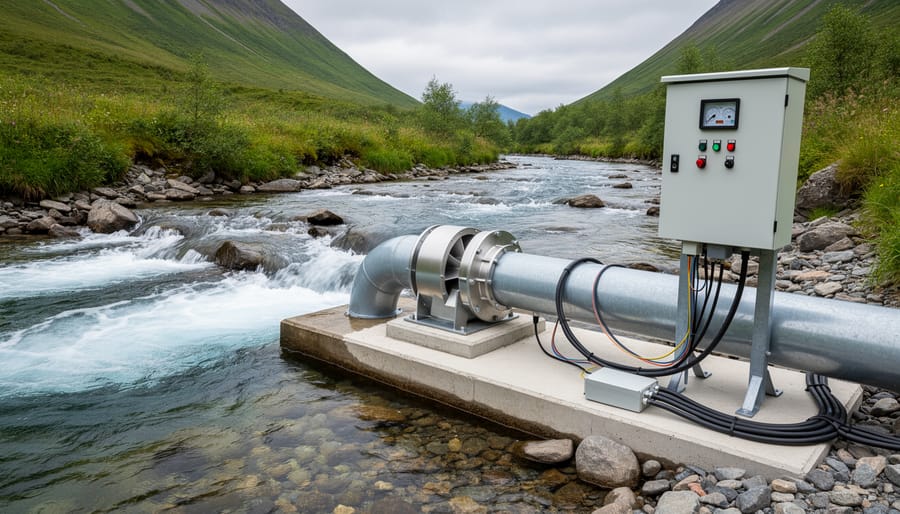
Micro-hydro is the quiet workhorse of the five sources. Where solar and wind rise and fall with the weather, a small stream can run day and night, so our testing focuses on how steady the output stays.
We start by checking power output across different flow conditions: a full spring stream, a dry-summer trickle, and everything in between. A good system should keep producing usable power when flow drops, and we note exactly where it stops being worthwhile. We also look at how well the equipment is protected. Debris screens, intake design, and electrical safeguards matter because leaves, silt, and sudden surges are everyday hazards for any water-driven machine.
Installation complexity gets just as much attention. Unlike a rooftop panel, a hydro setup involves piping, mounting near the water, and often local permits, so we assess how clear the instructions are and how much professional help a typical property owner will need. Maintenance is the final piece. We track how often screens need clearing, how easily moving parts can be reached, and what routine upkeep costs in time and money.
This source is best suited to properties with a suitable water feature, such as a year-round stream or spring with enough drop and flow. If you have one, micro-hydro can deliver dependable power. If you don’t, one of the other four sources is likely a better fit.
Geothermal: Verifying Heat Pump Performance Across the Seasons
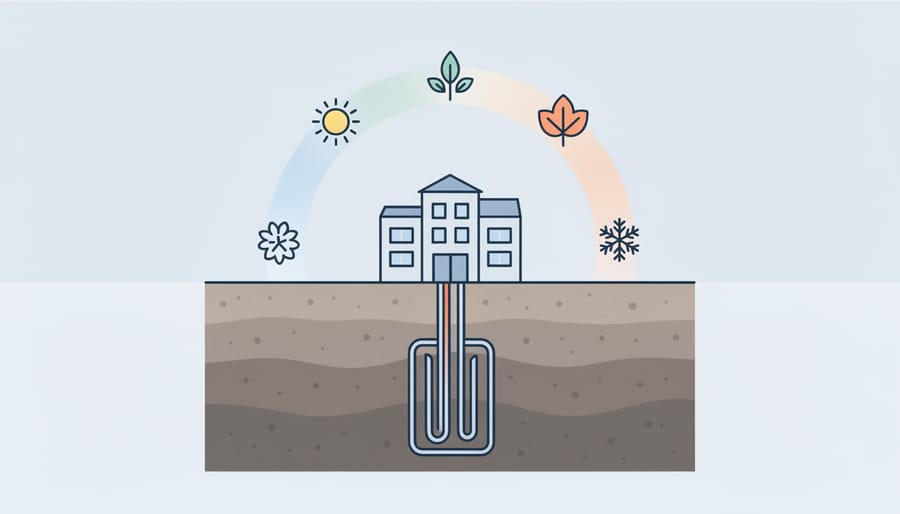
Geothermal heat pumps work because the ground a few feet below the surface stays at a fairly steady temperature all year, usually somewhere between 45°F and 75°F depending on where you live. In winter, that ground is warmer than the air, so the system pulls heat from it and moves it indoors. In summer, it does the reverse, carrying heat out of your home and into the cooler earth. Think of it as borrowing the ground’s stability instead of fighting the weather.
That’s exactly why we never judge one of these systems on a single mild week. Efficiency can look excellent in spring and tell you little about a January cold snap or an August heat wave. A proper evaluation tracks seasonal efficiency, meaning how much heating or cooling you get for each unit of electricity used, across at least a full year of changing conditions.
We also watch comfort consistency. Does the system hold a steady indoor temperature, or does it cycle noisily and leave rooms uneven? Quiet, even comfort is something a brochure can’t promise.
Installation matters too, since these systems need ground loops, which means digging or drilling. We note the space required, the disruption involved, and whether your property suits the setup. Finally, we follow operating costs over time, because higher upfront costs only make sense if the monthly savings actually show up on your bills.
Biomass: Checking Fuel Efficiency, Emissions, and Safety
Biomass appliances turn wood pellets, logs, or other organic fuel into heat, so testing starts with the fuel itself. We track how much fuel a pellet stove or boiler burns over a set period, then compare that against the heat it delivers. A unit that sips fuel but barely warms the room isn’t a bargain, and one that heats well but guzzles pellets can quietly drain your budget.
Heat output comes next. We measure how quickly a space warms, how evenly the heat spreads, and whether the appliance holds a steady temperature when the thermostat calls for less. Boilers get the same treatment across hot water and heating demands.
Emissions behavior matters because biomass is renewable but not smoke-free. We watch how cleanly the fire burns at low, medium, and high settings, since many appliances run dirtier when turned down. Fuel quality plays a big role here, so we test with the pellets or wood the manufacturer recommends and note what happens with lesser grades.
Safety checks cover surface temperatures, shutoff features, proper venting, and how the unit behaves during a power interruption.
Finally, we consider upkeep: ash cleanup, hopper refills, and annual servicing. Biomass can deliver reliable, affordable heat, but it asks more hands-on attention than solar or geothermal. Knowing that upfront helps you decide whether it fits your routine.
Reading Test Results Like a Smart Buyer
A rated number is a promise; a test result is evidence. When you read a review or spec sheet, start by comparing the two. If a panel is rated for a certain output but the reviewer only reports that figure back to you, they haven’t tested anything. Look for results measured in ordinary conditions, such as partial shade, light wind, or a cold morning, rather than a single perfect afternoon.
Next, check how openly the testing is described. Good reviewers tell you the conditions, the duration, and what went wrong. A product with a flawless record and no stated method deserves a second look. Then ask about long-term follow-up. A week of strong results says little about how a turbine bearing or a pellet stove’s igniter holds up after a year of use.
Finally, match the source to your own situation before you fall for a headline number. Your climate, your roof or land, and your budget decide what actually works. It also helps to compare the cost of any system against the best energy rates available to you, so you know what you’re really saving.
Here’s how it played out for one reader. A homeowner we’ll call Dana wrote to tell us she’d been leaning toward a small wind turbine because the rating looked impressive. After reading our field notes on start-up wind speeds and noise, she realized her sheltered lot rarely saw the steady breeze it needed. She chose solar panels instead and told us the first full season matched the real-world numbers we’d reported almost exactly.
Common Questions About Testing and Choosing Renewable Energy Sources
Readers ask us the same handful of questions again and again, so here are straight answers based on how we approach testing.
How long should a product be tested?
Long enough to see it through changing conditions, not just one good afternoon. A single day shows you peak output, but a full season or more shows how a product handles weather swings, wear, and real use.
Do lab results match real-life performance?
Rarely exactly. Lab figures show what a product can do under controlled conditions, while field testing shows what you’ll actually get at your property, so we weigh both.
Which source suits a typical home?
For most homes, solar is the easiest starting point, since it works on a roof and needs no special terrain. Wind, hydro, and geothermal depend heavily on your land and climate, and biomass suits homes already comfortable with a stove or boiler.
Can renewable sources be combined?
Yes, and pairing them often smooths out gaps. Solar and wind, for example, tend to peak at different times, which can make your overall supply steadier.
How often should a system be re-checked after installation?
A yearly check is a sensible baseline, with extra attention after severe weather. Catching a loose mount or a dipping output early is far cheaper than fixing it later.
Picking a source is only part of the decision, because how you buy your electricity matters too. If you’re weighing a switch, it helps to understand how energy supplier switching works from start to finish. Anyone local can also read how to switch in Massachusetts using the state’s own tools.
If you’re still unsure which source fits your property, our consultation services can help. We look at your climate, roof or land, and budget, then point you toward options that have held up in testing rather than ones that simply look good on paper.
The Bottom Line: Test-Backed Choices Lead to Better Energy Decisions
Choosing between solar, wind, hydro, geothermal, and biomass doesn’t have to feel like a gamble. Each source performs differently depending on your climate, property, and budget, and the only reliable way to know what a product will actually do is to see how it behaves outside the brochure. Rated numbers describe the best case. Testing describes your case.
That’s why we keep returning to the same habits: look for clear testing conditions, compare rated output against real-world results, and favor products that have been watched over seasons, not just a sunny afternoon. A system that has been checked honestly, including in the conditions that don’t flatter it, is far less likely to leave you with a surprise on your first winter bill.
Ready to take the next step? Explore our product reviews and customer success stories to see how test-backed choices play out in real homes and businesses. If you’d like personal guidance matching a source to your property, our consultation services are here to help.