
The integrity of a product means it does what its maker says it does, holds up the way it should, and gets described honestly by the people who review it. In short, what you read matches what you get. For anyone weighing a solar panel, a home battery, or a smart thermostat, that match is the whole point of a review.
Product integrity covers three things: how a product is built, how it performs against its claims, and how fairly it’s evaluated. A review only protects that integrity when the reviewer stays impartial, tests under real conditions, and reports the weak spots alongside the strengths. When we put a product through its paces on our own roof, in our own kitchen, or on our own meter, we write down what happened, not what the spec sheet promised.
Readers tell us they value this most when a big purchase is on the line. Many describe the same worry: a glowing review that never mentions a downside leaves them guessing. Plain, balanced testing answers that worry.
Below, we explain what product integrity includes, why impartiality guards it, how honest testing works, and how you can check any review yourself.
What Product Integrity Actually Covers

Do Performance Claims Hold Up in Real Conditions?
A solar panel’s label number comes from standard test conditions: a lab setting with a fixed light intensity and a cool, controlled temperature. Your roof rarely matches that. Heat, haze, shade from a chimney, the angle of the sun, even a layer of dust can pull output below the printed figure. A power station works the same way. The capacity on the box is the energy stored inside the battery, but some of it is lost as heat when the unit converts power for your devices, so the usable amount is lower.
None of that means a manufacturer is being dishonest. Lab numbers are a consistent yardstick, and they are useful for comparing products. The problem comes when a review simply repeats them, or when it swings the other way and treats every gap as a flaw.
A fair review does neither. It states the claim, then measures real use against it and explains the difference in plain terms. If a panel delivers most of its rated output on a clear afternoon, that’s worth saying. If a power station gives you a bit less than advertised, a fair review notes it without drama.
Build Quality, Safety, and Longevity
A product’s integrity isn’t only about how it performs on day one. It’s also about whether it keeps performing safely for years, and that comes down to how it’s built.
Start with materials. For solar panels, look for tempered glass, a sturdy aluminum frame, and sealed junction boxes. For a portable power station, check the casing, ports, and cooling design. Cheap materials tend to show their weakness after a few seasons of heat, rain, or rough handling.
Weather resistance matters just as much. Ratings for water and dust protection tell you whether a panel or power station can survive outdoor use, and a fair review checks those ratings against how the product actually holds up.
Safety certifications are the next thing to look for. Independent testing marks, such as UL listing, mean someone other than the manufacturer has checked for fire and electrical hazards. That’s not a bonus feature. It’s basic protection for your home and family.
Finally, read the warranty closely. A long warranty with clear terms shows a maker stands behind its work. A vague or very short one is worth noting in any honest review.
Why Impartial Reviews Protect Product Integrity
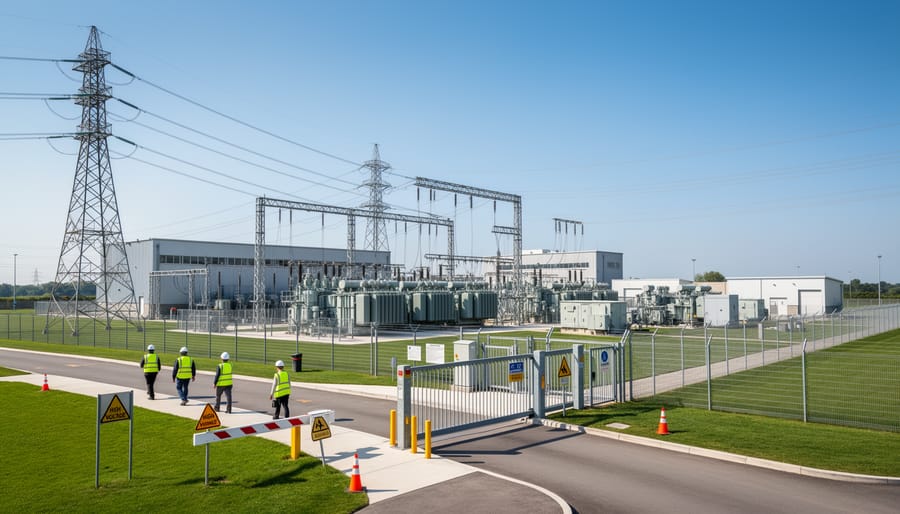
Here’s the connection in one line: a product can only keep its integrity on the page if the person describing it has nothing to gain from bending the truth. When a reviewer earns more from one verdict than another, even without meaning to, the product’s real strengths and weaknesses start to blur.
Think about how that happens in practice. A reviewer who receives a free unit may feel a quiet pull to be generous. A commission that pays only when a reader buys can nudge a write-up toward praise and away from the awkward details, like a power station whose usable capacity falls short of the label. None of this requires bad intent. It’s simply how incentives work, which is why good reviewers build safeguards around them rather than relying on willpower alone.
Those safeguards come down to two habits. The first is open disclosure: telling readers how a product was obtained, whether the site earns revenue from a link, and what relationships exist with brands. The second is consistent standards: testing every product against the same questions, so a panel from a well-known maker gets the same scrutiny as one from a newcomer. When both habits are in place, the conversation stays on the product itself, how it performs, how it’s built, and whether it’s safe.
At Sun Nature Power Solutions, we treat disclosure as part of the review, not a footnote to it. Readers deserve to weigh our verdict knowing exactly where it comes from.
Being impartial also doesn’t mean being cold or negative. A fair review can be warm, encouraging, and enthusiastic about a product that earns it, while still being honest about trade-offs. That balance is what lets you trust the praise when you see it.
How a Fair Product Test Works From Unboxing to Verdict
At Sun Nature Power Solutions, every product moves through the same sequence before a verdict is written. Our evaluation process is built so that no single result, good or bad, decides the outcome on its own. Here is the order we follow:
- Read the manufacturer’s claims first and write down the specific numbers: rated output, stated capacity, weight, warranty length, and any safety certifications.
- Unbox and set up the product exactly as a first-time buyer would, using only the included instructions, and note anything confusing or missing.
- Run controlled tests that match the claims, such as a measured load for a power station or a clear-day output reading for a panel.
- Observe performance over several weeks of normal use, because first-day results rarely show how a product settles in.
- Compare what we measured against what was promised, and record the gap in plain numbers.
- Write up strengths and limitations together, so a reader sees the full picture before deciding.
Here’s how that looked with a portable power station we tested. The label advertised a certain capacity in watt-hours, and I wanted to know how much of it I could actually use. I charged the unit to full, connected a steady load of household-style devices, and timed it until it shut off.
It delivered a little less than the headline figure, which is normal. Some energy is always lost converting battery power into the standard outlet power most appliances need. That isn’t a flaw, but it is something buyers should know. In our write-up, I reported the usable capacity right next to the advertised number and explained the difference in everyday terms, so nobody expected a camping trip to last longer than it would.
Notice what happened there. The product didn’t hit its label number exactly, yet it still earned a fair, positive review for solid build quality and dependable output. Honest testing means reporting the shortfall without exaggerating it, and giving credit where the product earns it.
This is simply our standard for how we work, not a measuring stick for anyone else. We follow the steps in order, we don’t skip the long-term observation, and we publish limitations alongside the praise every time.
Signs of a Review You Can Trust

You don’t need special expertise to judge whether a review deserves your trust. A few simple checks will tell you most of what you need to know.
Start with disclosure. A trustworthy review says plainly how the product reached the reviewer, whether it was purchased, loaned, or supplied by a brand, and whether the site earns anything if you click through. You don’t need to be suspicious of a review that earns revenue, but you do need to be told. Silence on the subject is a signal in itself.
Next, look for evidence of hands-on use. Did the reviewer actually set the product up and run it? Real testing leaves fingerprints: a note about how long a panel took to mount, how a power station behaved when a fridge kicked on, or what the display showed after an afternoon in full sun. If the review only repeats the spec sheet, the product may never have left its box.
Then check for balance. Every product has trade-offs, and an honest review names them. A write-up that finds nothing to criticize, or one that finds nothing to praise, deserves a second look.
Pay attention to language, too. Specific statements like “delivered about 80 percent of its rated capacity under load” tell you far more than vague ones like “great performance” or “built to last.”
Finally, look for willingness to update. Products change through new firmware, revised models, and shifting warranty terms. A review that notes when it was last checked, and corrects itself when something changes, shows ongoing care.
When these habits are built into the testing process itself, a rigorous evaluation protects your investment before you spend a dollar. Use this checklist on any review you read, and you’ll be choosing with confidence rather than guessing.
What Reader Experiences Reveal About Product Integrity
Professional testing tells you how a product behaves in the weeks we spend with it. Owners tell you what happens after that. A review can confirm that a power station delivers its rated capacity on day one, but only months of real use show whether the battery holds up through winter, whether the fan gets louder, and how the company responds when something goes wrong. That is why owner feedback is a useful second check on any product’s integrity.
When we collect reader experiences, we look for patterns rather than single opinions. One complaint about slow shipping means little, but several owners describing the same issue with a mounting bracket is worth a note in our reviews.
Here is what readers tell us. “The review said plainly that the power station wouldn’t run my full-size fridge for a whole night, and that was exactly what I found,” shared a homeowner who bought one for storm season. “Because I knew the limits going in, I bought a second battery and never felt misled.”
A small business owner who runs a market stall described it similarly: “The write-up covered the trade-offs honestly, including the weight. I knew what I was getting, and it has worked at every event this year.”
Hearing both strengths and drawbacks beforehand is what turns a purchase into a confident one.
Common Questions About Honest Product Reviews
Readers often ask how to judge a review before they spend money. Here are the questions that come up most, answered plainly.
Can a review be impartial if the site earns affiliate revenue?
Yes, as long as the site discloses that revenue and applies the same testing standards to every product, whether or not it pays a commission. Look for a clear statement near the top of the page, and for write-ups that name real drawbacks.
Why do different reviews of the same product sometimes disagree?
Testers use different conditions, such as roof angle, climate, load and season, and they weigh priorities differently. A good review explains its setup, so you can see whether it matches your situation.
How often should products be retested?
Retest whenever the manufacturer changes the model, firmware or warranty terms, and revisit long-lived products like panels after months of use. A review that has never been updated is worth reading with caution.
What should I do if my product doesn’t match the review?
Start by checking your own conditions against the ones described, since shading, wiring and usage patterns change results. If the gap remains, contact the seller under your warranty and tell the review site, because honest outlets want to hear it.
These answers share a theme: an honest review shows its working. That also applies beyond gear. If you’re comparing the cost side of going renewable, the same scrutiny helps when you decide whether to switch suppliers and it’s worth checking how current energy rates compare before you commit. Ask where a figure came from, how it was measured, and who benefits from you believing it.
Product integrity comes down to three things: honest claims, dependable performance, and safety you can count on. A solar panel or power station earns your trust when it delivers what the label promises, holds up season after season, and protects your home or business while doing it.
The easiest way to confirm all that before you buy is a review that’s impartial and open about how it was done. When a reviewer discloses how products were obtained, tests them hands-on, and reports drawbacks alongside strengths, you get the full picture rather than a sales pitch.
That’s the standard we hold ourselves to at Sun Nature Power Solutions. As you plan your next renewable energy purchase, explore our reviews, read the success stories from other owners, and reach out for a consultation if you’d like a second opinion. We’re glad to help you choose with confidence.