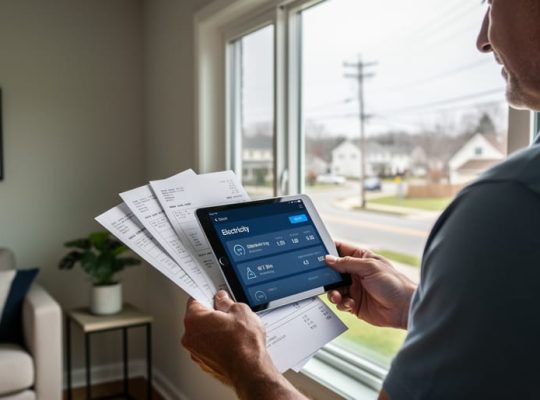

Switching your energy supplier takes about 15 minutes online and can cut your annual bills by hundreds of pounds while moving you to greener power. The process involves finding a better tariff, checking your current contract for exit fees, and initiating the switch through your chosen supplier, who then handles everything from contacting your old provider to arranging the meter transfer. Most switches complete within two to three weeks without any interruption to your supply or need for an engineer visit.
The UK energy market’s competitive structure means you’re never locked into staying with an underperforming supplier. Since deregulation, switching has become a consumer right designed to drive better prices and service. Yet nearly 40% of households remain on expensive default tariffs simply because the process feels intimidating or complicated.
For eco-conscious consumers, switching represents more than just a cost-saving exercise. The ability to choose suppliers offering genuine renewable energy tariffs puts real pressure on the industry to invest in wind, solar, and other clean sources. During my own switch to a certified green tariff last year, I discovered how much confusion still surrounds renewable energy claims, with some suppliers marketing “green” products that rely heavily on purchasing carbon offsets rather than supplying actual renewable electricity.
This guide walks you through the complete switching process, from gathering your current usage details to confirming your new supply is active. You’ll learn which contract terms to watch for, how to identify authentic renewable tariffs backed by legitimate certification, and what protections exist if something goes wrong during the transition.
What You’ll Need Before You Switch

Before you contact a new energy supplier, gather these essentials, having them ready makes the switch faster and eliminates back-and-forth delays.
Your Current Energy Bill
Pull your most recent statement, ideally from the past three months. It contains your supplier’s name, account number, and current tariff details. You’ll also find your meter point administration number (MPAN for electricity, MPRN for gas), which acts like your property’s energy address, unique identifiers that tell your new supplier exactly which meters to take over. Without these numbers, the switch can’t proceed.
Accurate Meter Readings
Take fresh readings from your gas and electricity meters on the day you decide to switch. These figures establish your final usage with your old supplier and your starting point with the new one, preventing billing disputes. If you have a smart meter, it should record readings automatically, but manual confirmation helps catch any discrepancies early.
Contract End Date and Terms
Check when your current fixed-rate deal expires. Switching before this date often triggers exit fees, sometimes £30-50 per fuel, which can wipe out any savings from a cheaper tariff. If you’re on a standard variable rate, you’re free to leave anytime without penalties.
Usage Patterns
Review your annual energy consumption, typically shown in kilowatt-hours (kWh) on your bill. Suppliers use this to quote accurate prices. If you run high-consumption appliances during off-peak hours, note that too, it affects which tariff structure suits you best.
Here’s what you need before starting:
- Most recent energy bill (within three months) with account and meter numbers
- Current meter readings for gas and electricity
- Contract end date and details of any exit fees
- Annual energy usage figures (kWh for electricity and gas)
- Property address and move-in date if you’re a new occupant
- Payment details for direct debit setup with your new supplier
With these documents in hand, the actual switching process takes about ten minutes to initiate. Your new supplier handles nearly everything else, including notifying your old provider and coordinating the transfer. Missing information creates the only real friction, chasing down account numbers or waiting for bills slows what should be a seamless transition.
Important Considerations and Warning Signs

Before you start the switching process, watch for several critical warning signs that could cost you money or leave you with an unreliable supplier. Missing these red flags might trap you in expensive contracts or connect you with providers who can’t deliver on their promises.
Check your current contract end date first. If you’re still locked into a fixed-term deal, switching early will likely trigger exit fees ranging from £30 to £150 or more per fuel type. These termination charges can wipe out any savings from your new tariff, making the switch financially pointless until your contract naturally expires. Variable or standard variable tariffs typically don’t carry exit fees, so you can leave anytime without penalty.
Contract lock-in periods extend beyond exit fees. Some fixed deals automatically roll you onto another fixed term unless you give 49 days’ notice before the end date. Missing this narrow window can trap you for another year or two with rates that no longer reflect the market. Mark your contract end date on your calendar with a 60-day advance reminder to avoid this trap.
Misleading green tariffs represent another serious pitfall. Many suppliers market “green” or “eco” tariffs that simply purchase renewable energy certificates rather than actually supplying renewable electricity to your home. When you compare tariffs look for suppliers with genuine renewable generation assets or direct power purchase agreements with wind and solar farms. Ask explicitly how they source their renewable energy, vague answers signal greenwashing.
Warning signs of unreliable suppliers include extremely low rates that seem too good to be true, poor customer service reviews mentioning billing errors or difficulty reaching support, and new companies with no track record. Check supplier ratings on independent review platforms and verify they’re licensed by Ofgem. Suppliers with fewer than two years of operation or consistent one-star reviews should raise immediate concerns. A slightly higher rate from a stable, reputable provider beats the headache of dealing with a fly-by-night operation that might collapse mid-contract.
How to Switch Your Energy Supplier: Step-by-Step
Step 1: Compare Energy Suppliers and Tariffs
Start by gathering quotes from at least three suppliers to get a realistic picture of what’s available. Use independent comparison sites like Uswitch, Compare the Market, or MoneySuperMarket, these tools let you filter by renewable energy options and show the best energy rates based on your postcode and usage.
Pay close attention to the tariff structure: fixed-rate plans lock in your price for 12-24 months, protecting you from market fluctuations, while variable tariffs can change monthly. For renewable energy, look beyond the supplier’s marketing claims. Check if they’re backed by REGO certificates (Renewable Energy Guarantees of Origin) or invest directly in renewable generation like wind farms or solar arrays. Some suppliers simply buy “green” certificates while still sourcing fossil fuel energy, these aren’t truly renewable.
Read customer reviews on Trustpilot and check the supplier’s Ofgem complaints record. A cheap tariff means nothing if the supplier has poor customer service or delays in resolving billing issues. Compare exit fees, payment methods (direct debit usually offers discounts), and whether smart meter compatibility matters to you. Note the tariff end date and any price increases scheduled within the contract term. This research typically takes 30-45 minutes but can save you hundreds of pounds annually while ensuring you’re genuinely supporting renewable energy.
Step 2: Check Your Current Contract Terms
Before you commit to a new supplier, pull out your current energy contract and look for three critical details that could cost you money if overlooked.
First, find your contract end date. Fixed-term contracts lock you into specific rates for a set period, typically 12, 18, or 24 months. If you switch before this date expires, you’ll likely face early termination fees ranging from £30 to £150 per fuel. Variable contracts, on the other hand, have no end date and can be left anytime without penalty, though rates fluctuate with market conditions.
Next, check the notice period. Most suppliers require 28 to 49 days’ notice before your contract ends. Missing this window often triggers automatic rollover onto a more expensive tariff.
Finally, look for any exit fees listed in your terms and conditions. Some suppliers waive these fees within a specific window before your contract ends, usually 49 days out. If your contract expired months ago and you’ve been on a default tariff, you can switch immediately with no penalties, most consumers don’t realize they’re already free to move.
Step 3: Choose Your New Supplier and Tariff
After comparing your options, you’ll need to weigh several factors to make the right choice. Start with your priorities: are you optimizing for the lowest cost, the greenest energy mix, or rock-solid customer support?
For cost-focused shoppers, look beyond the headline unit rate. Factor in standing charges, payment method discounts (direct debit typically saves 3-5%), and any exit fees if you might move house. Fixed-rate tariffs lock in prices for 12-24 months, protecting you from market spikes but potentially trapping you above market rates if prices fall.
If renewable energy matters, dig into the supplier’s fuel mix disclosure statement (legally required in the UK). Check what percentage comes from genuine renewables versus REGO certificates, the latter just rebadge grid energy as “green” without funding new renewable projects. I’ve found suppliers like Octopus Energy and Good Energy provide transparent breakdowns showing their actual renewable generation assets, not just paper certificates.
Customer service quality shows up during problems, not sign-up. Check independent reviews on Trustpilot and Citizens Advice’s supplier rankings, which track complaint ratios. Smaller green suppliers sometimes struggle with billing systems despite good intentions, while established players offer slicker apps but weaker environmental credentials.
Match the tariff structure to your usage pattern, time-of-use tariffs reward off-peak consumption if you can shift dishwasher and EV charging to overnight hours.
Step 4: Initiate the Switch
Once you’ve selected your new supplier and tariff, signing up takes about 10 to 15 minutes online or over the phone. You’ll need to provide your current supplier’s name, your account number, and a recent meter reading. The new supplier will also ask for your contact details, payment information, and your preferred start date for the switch.
Here’s what makes this step straightforward: your new supplier does the heavy lifting. They contact your old provider directly to arrange the switch, so you don’t need to notify your current supplier yourself. In fact, calling your old supplier to cancel can actually complicate things and slow down the process.
After you complete the sign-up, you’ll receive a confirmation email within 24 hours. This includes your new account details, the expected switch completion date (usually 14 to 21 days from sign-up), and a cooling-off period notice. You have 14 days to change your mind without penalty if you decide the tariff isn’t right for you.
During the next few weeks, both suppliers will send you updates. Your old supplier will confirm they’ve received the switch request and provide a final bill based on your closing meter reading. Your new supplier will send reminders about submitting accurate meter readings and setting up your direct debit. Keep these emails for reference, as they contain important account numbers and contact details you’ll need during the transition.
Step 5: Confirm the Switch and Transition
Once you’ve initiated the switch, your new supplier takes over the process and coordinates directly with your current provider. The entire switching period typically takes 17-21 days, though some switches complete faster if both suppliers process quickly.
During this period, you’ll receive several key communications. Within 48 hours of signing up, expect a welcome email from your new supplier confirming your switch request and providing your new account number. Around day 10-14, your old supplier will send a final bill or statement showing your switch-out date. Your new supplier will also email you 2-3 days before your switch completes, confirming the exact date your service transfers.
Your energy supply will continue uninterrupted throughout this transition. The physical supply of electricity or gas to your home never stops; what changes is simply who bills you and where your payments go. Your meter keeps working exactly as before, and you won’t experience any power cuts or service disruptions as part of a standard switch.
To ensure a smooth transition, take these actions:
- Check your email daily for communications from both suppliers and respond promptly to any requests for information.
- Take a meter reading on the day before your switch completes (your new supplier will tell you this date) and submit it to both suppliers.
- Keep your final bill from your old supplier and verify the charges match your actual usage up to the switch date.
- Set up your payment method with your new supplier before your first bill arrives, typically 4-6 weeks after switching.
- Cancel any direct debits to your old supplier only after receiving and paying your final bill to avoid missed payments.
If you don’t hear from your new supplier within five working days of signing up, contact them directly to confirm your switch is progressing. Similarly, if your switch date passes without confirmation, reach out immediately to resolve any processing delays.
How to Verify Your Switch Was Successful
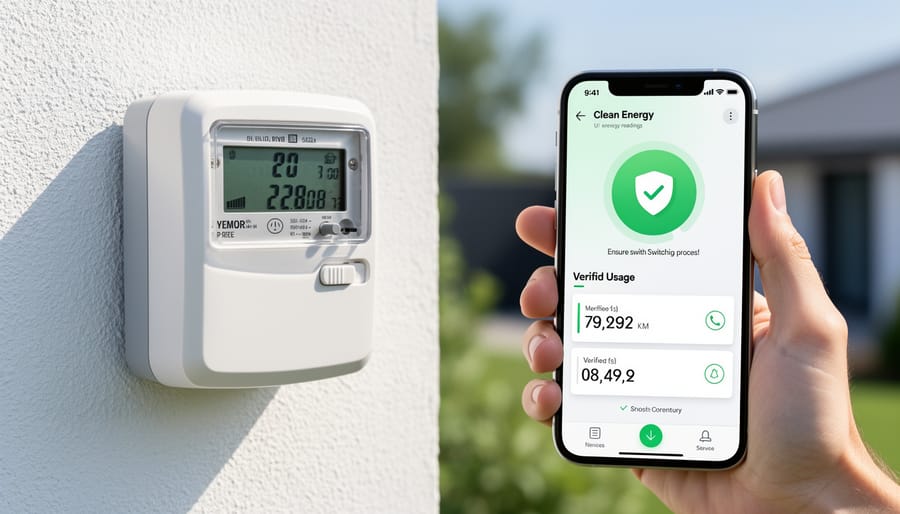
After your new supplier takes over, you’ll want to confirm everything went smoothly. Within a few days of your switch date, check your online energy account or contact your new supplier directly to verify they’re now responsible for your supply. You should receive a welcome email or letter confirming your account details and the date your service began.
Submit an accurate meter reading on the day your switch completes. This creates a clean break between your old and new supplier, ensuring you’re not overcharged or undercharged for energy you didn’t use. Most suppliers let you submit readings through their website, mobile app, or by phone. If you have a smart meter, readings should be sent automatically, but it’s worth double-checking that the data is flowing correctly to your new provider.
- Log into your new supplier’s online portal to confirm your account is active
- Check that your first bill reflects the tariff rate and standing charge you agreed to
- Verify your payment method is set up correctly (direct debit, prepayment, or monthly billing)
- Keep your final bill from your old supplier to confirm you’re not billed twice for the same period
- Test your smart meter’s in-home display to ensure it’s communicating with the new supplier
Your first bill usually arrives within four to six weeks. Review it carefully against your contract terms. If the rates don’t match what you signed up for, contact your supplier immediately with your contract documentation. Should you notice ongoing issues like incorrect billing, missing meter readings, or your old supplier still charging you, file a complaint with your new supplier first. If they don’t resolve it within eight weeks, you can escalate to the Energy Ombudsman for free, independent mediation.
Switching to Renewable Energy Suppliers: What Makes It Different

Switching to a renewable energy supplier involves more than ticking a “green tariff” box. The energy market is saturated with misleading environmental claims, so you need to verify that your new supplier genuinely sources power from wind, solar, or hydroelectric generation rather than simply purchasing carbon offsets or Renewable Energy Guarantees of Origin (REGOs) certificates after the fact.
Start by checking whether your prospective supplier generates its own renewable energy or has direct Power Purchase Agreements (PPAs) with renewable generators. Suppliers who own solar farms or wind installations, or who contract directly with renewable projects, provide a stronger guarantee that your money funds actual clean energy infrastructure. Ask about their fuel mix disclosure, legitimate renewable suppliers publish detailed breakdowns showing what percentage comes from wind, solar, biomass, and other sources. If a company can’t provide this transparency, that’s a warning sign.
Understand the difference between renewable electricity and green gas. Most renewable tariffs cover only electricity from wind or solar, while the gas portion often remains fossil-fuel-based. True green gas comes from anaerobic digestion or biomethane injection into the grid, but it’s far less common and typically costs more. If you use gas for heating, clarify what percentage is genuinely renewable versus offset through environmental schemes.
The long-term environmental impact of your switch extends beyond your household emissions. When you choose a supplier who reinvests profits into new solar or wind projects, you’re supporting the expansion of renewable capacity across the grid. This matters more than offsetting existing fossil fuel use, because it accelerates the transition away from coal and gas plants. Treating your switch as a renewable investment means evaluating suppliers on their commitment to building future infrastructure, not just their current green credentials.
One reader, Sarah Mitchell, shared her experience: “I switched to a solar-backed supplier in early 2026 after confirming they owned three solar farms in Yorkshire. My bills went up by £3 monthly, but knowing my payments fund actual panels rather than paperwork made the difference worthwhile. The transparency in their monthly generation reports proved I wasn’t being greenwashed.”
Common Questions About Energy Supplier Switching
Will I lose power during the switch?
No, your energy supply remains uninterrupted throughout the switching process. The physical delivery of electricity and gas to your property continues through the same infrastructure regardless of which supplier you choose. Your new supplier coordinates directly with your old one and the distribution network operators to ensure a seamless transition without any service disruption.
Can I switch if I’m renting?
Yes, as long as you’re responsible for the energy bills. If your tenancy agreement states that you pay the energy supplier directly (rather than bills being included in your rent), you have the right to switch. You don’t need your landlord’s permission to change suppliers, though it’s courteous to inform them. However, if your landlord pays the bills and recharges you, they control the supplier choice.
How often can I switch energy suppliers?
You can switch as often as you like once you’re out of any fixed-term contract period. There’s no legal limit or cooling-off restriction between switches. Many savvy consumers switch annually when their fixed deals end to secure better rates. If you’re on a variable tariff with no exit fees, you can switch at any time. Just avoid switching mid-contract if exit fees apply, unless the savings justify the cost.
What if I have solar panels or other renewable technology?
Households with solar panels, battery storage, or other generation technology can still switch suppliers normally. In fact, you may benefit from switching to suppliers offering better export tariffs (payments for excess electricity you send to the grid). Some renewable-focused suppliers provide enhanced rates for solar households or integrate with home battery systems. Check whether your new supplier supports Smart Export Guarantee (SEG) payments and compare their export rates. You might also qualify for Energy Star rebates when upgrading energy-efficient equipment alongside your switch.
Can businesses switch energy suppliers the same way?
Small businesses follow a similar process to residential customers and can use many of the same comparison tools. However, larger commercial operations with half-hourly meters or annual consumption above 100,000 kWh typically require bespoke contracts negotiated through business energy brokers. Business switches may take longer (4-6 weeks) and involve more documentation, but the fundamental process remains straightforward. Commercial customers should pay particular attention to standing charges and peak-time rates when comparing suppliers.
Switching energy suppliers is straightforward when you follow the right steps. The entire process takes just a few weeks, and you’ll maintain uninterrupted power throughout. By choosing renewable energy providers, you’re not only reducing your bills but also supporting the transition to cleaner energy sources that benefit our environment for generations to come.
The key is doing your homework upfront. Compare tariffs carefully, understand your current contract terms, and verify renewable claims to ensure you’re genuinely supporting green energy rather than falling for greenwashing. Once you’ve selected the right supplier, they handle the technical details while you enjoy lower costs and a cleaner energy mix.
At Sun Nature Power Solutions, we’re committed to helping consumers make informed energy decisions that align with their environmental values. Whether you’re switching for the first time or looking for a better renewable tariff, the power to choose cleaner, more affordable energy is in your hands. Take action today and make the switch that works for you.