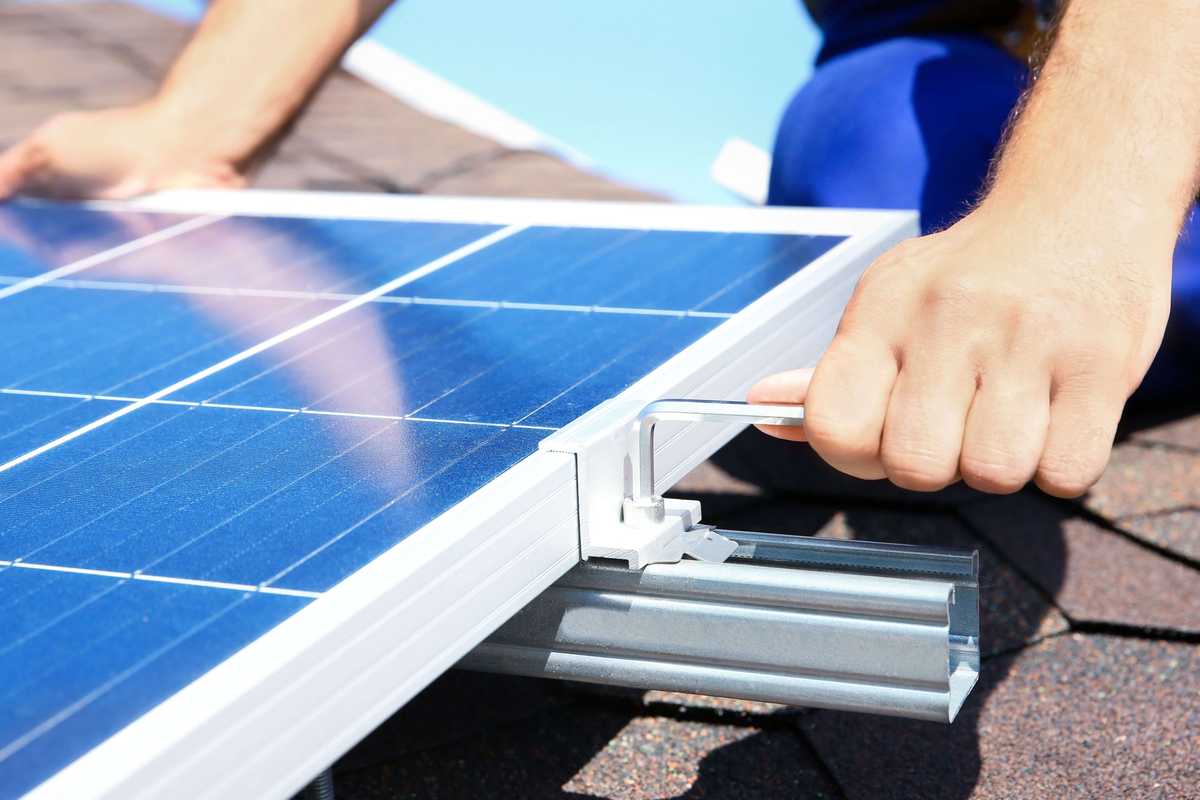
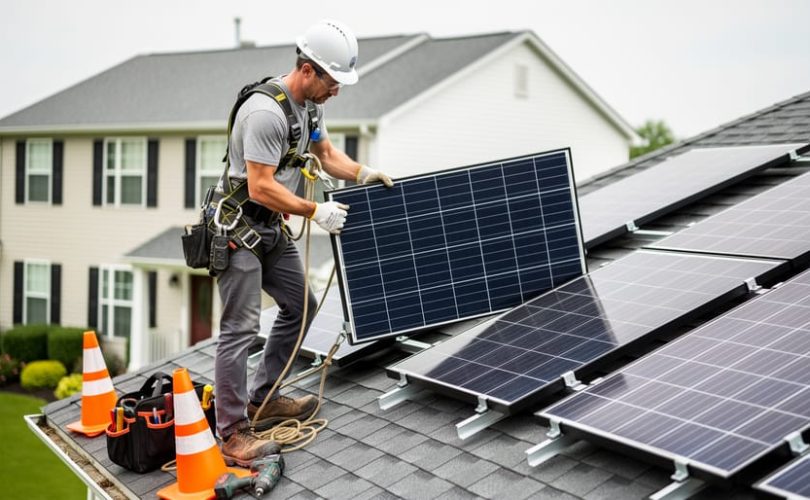
You can get rid of solar panels safely by confirming who owns them, shutting down the system, hiring a qualified installer to detach and lower the modules, and then reselling, donating, or recycling them. Expect it to take anywhere from a few hours to a full day, and know up front that this is not a casual weekend project. Panels keep generating live electricity whenever light hits them, and they’re heavy, awkward, and slippery on a pitched roof.
Most removals start with a trigger: a roof replacement, a move, storm damage, or an upgrade to newer technology. Whatever your reason, the order matters. Paperwork first, hardware second.
Once the legal side is settled, the rest is a safe, ordered process, and it’s the same care we apply to renewable investment protection when we evaluate new equipment. Below, we walk through the tools, the stop conditions, each removal step, and your disposal options, then point you toward your next system.
Before You Remove Anything: Check Ownership, Contracts, and Whether Your Panels Still Have Life
Owned, Leased, or Financed: Who Can Remove Your Panels?
Who owns your system decides who gets to take it down, so start there before you touch a single bolt.
If you own the panels outright, the decision is yours. You can hire an installer, sell the equipment, or recycle it. Just check your warranty first, because removal can affect coverage, and ask your utility whether you’ll need to notify them.
Leased panels belong to the leasing company. Taking them down yourself can breach your contract and trigger fees. Call your provider and ask about early termination terms, whether they handle removal themselves, and who pays for roof repairs afterward.
Financed systems sit in between. You usually own the panels, but the lender may hold a lien. Ask what the payoff balance is, whether removal violates the loan terms, and if selling the panels requires the lender’s sign-off.
Is Removal Really Necessary? Signs It’s Time (and Signs It Isn’t)
Removal makes sense in some situations and not in others, so check which one you’re in before you pick up a wrench. These are the most common triggers:
- Storm or impact damage: cracked glass or burn marks usually mean the panel should come down and likely be recycled.
- Roof replacement: panels typically must be detached and later reinstalled, so ask for a pro to handle both steps.
- Moving homes: you may take the system with you or sell it, depending on your contract.
- Upgrading to newer models: working panels can often be resold or donated.
- Major output drops: confirm the cause first, since removal may not be the fix.
Not every dip in production calls for removal, though. Dirty panels, shade from a growing tree, or a failing inverter can all cut output, and each has a simpler fix. A cleaning, trimming, or inverter swap costs far less than tearing out a working system. If you’re unsure, a licensed installer can diagnose the problem before you commit.
Tools, Materials, and Help You’ll Need for Safe Panel Removal
Removing solar panels takes more than a ladder and a screwdriver. Gather everything before you start, because stopping mid-job with a live array on your roof is the worst time to realize something is missing.
Here’s the checklist:
- Insulated gloves and safety glasses to protect against electrical contact and sharp edges.
- Non-slip footwear with good tread for roof work.
- A roof harness, rope, and anchor as fall protection, since falls are the biggest roof risk.
- Basic hand tools: socket set, adjustable wrenches, and a screwdriver set for mounting hardware.
- A multimeter or voltage tester to confirm the wiring is de-energized.
- MC4 disconnect tools, small plastic wrenches that release the weatherproof plugs joining panel cables.
- Padded transport supplies, such as blankets, cardboard corners, and straps, to protect glass during hauling.
- A second person, because panels are awkward, heavy, and unsafe to lower alone.
Even with this kit, most homeowners should still hire a licensed solar installer or electrician. If your panels sit on a roof, connect to a battery, or tie into your electrical panel, professional help is the safer and often required route.
When you request quotes, ask whether the price covers disconnecting from the grid, roof repair at the mounting points, hauling, and disposal or recycling. Ask if they pull the permits and notify your utility. It also helps to ask whether they’ll reinstall the panels later, in case you’re only replacing the roof.
Typical cost factors include roof pitch and height, the number of panels, mounting type, how much wiring must come out, and whether batteries or other equipment are involved. Get at least two or three written quotes so you can compare what each one actually includes.
Safety Warnings and When to Stop and Call a Professional
Solar panels make electricity whenever light hits them. Switching off the system at your breaker or inverter doesn’t change that, so a panel sitting on your roof can still carry live current on a bright day, even if it’s fully disconnected from the grid. Add the fall risk of working on a roof, and this is not a casual weekend project.
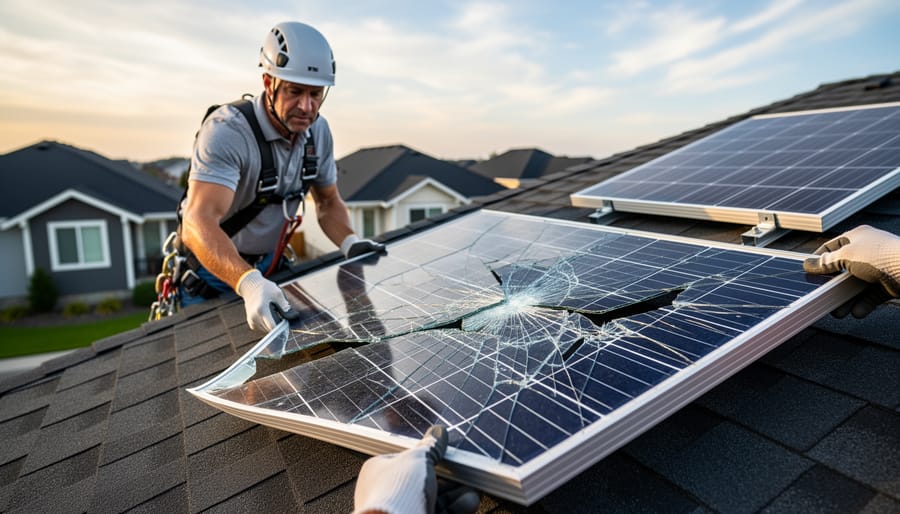
Start by shutting the system down in the order your installer or manual describes, and treat every wire as live anyway. Skip the job entirely in wet, icy, or windy conditions, since slick shingles and a panel acting like a sail are a bad combination. Cracked or broken panels deserve extra caution: broken glass can cut, and damaged cells can still produce current, so never handle them without gloves, eye protection, and a plan for safe containment.
Know your stop conditions. Put the tools down and call a pro if you notice any of these:
– Visible damage, such as cracked glass, warped frames, or loose panels
– Burn marks, melted connectors, or a burning smell
– Wiring you can’t confidently trace or identify
– A steep or high roof without proper fall protection
– Unpermitted or undocumented work you inherited from a previous owner
Paperwork matters too. Many areas require a permit for removal, and your utility may need to be notified before the system comes down. Requirements differ by location, so check state recycling rules and your local permit office before you start. A quick call now can save you fines, delays, and a failed inspection later.
How to Remove Solar Panels Step by Step
Powering Down and Disconnecting the System
Start by shutting the system down in the right order, because panels keep producing electricity whenever light hits them, even after you flip a switch. Think of it as quieting the system from the inside out, then dimming the panels themselves.
Here is the general sequence installers follow:
- Notify your utility and pull any permits your area requires before work begins.
- Shut down the system at the inverter, then switch off the dedicated solar breakers in your main panel.
- Cover the panels with opaque material, such as thick tarps or cardboard, to reduce their output.
- Disconnect the wiring, using MC4 disconnect tools on the connectors and confirming with a voltage tester that the lines are dead.
- Detach panels from the mounting rails one at a time.
- Lower each panel and pad it right away.
- Remove the rails and cap or seal every roof penetration so the roof stays watertight.
- Label and store all components for resale, donation, or recycling.
Even with the cover on, treat every wire as live. If anything looks scorched, cracked, or confusing, stop and call a licensed installer.
Taking Panels Off the Roof or Ground Mount
Once the system is powered down and disconnected, work on one panel at a time. Start by removing the bonding or grounding clips, then loosen the mid and end clamps holding the panel to its rails. Keep the clamps and bolts in a labeled bag, since they’re useful if you resell the array.
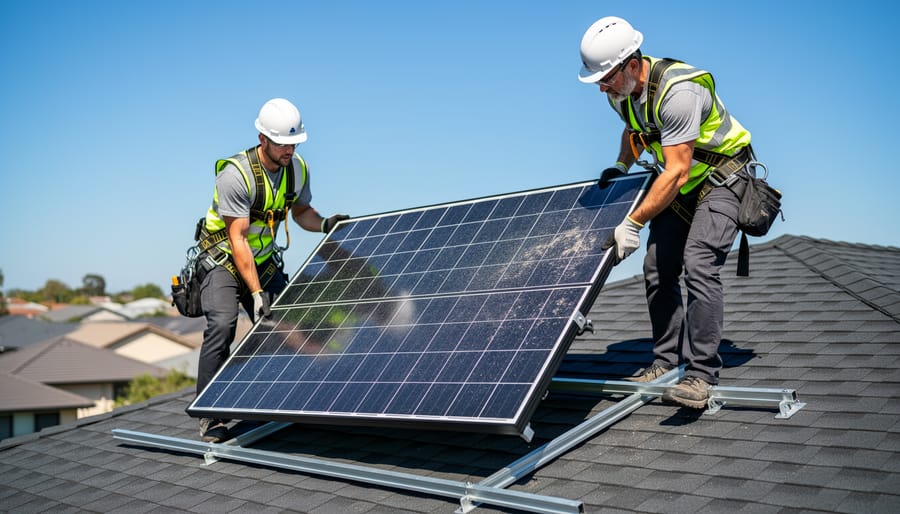
Always use a helper. Panels are awkward and surprisingly heavy, and a gust of wind can turn one into a sail. One person supports the panel while the other releases the last fasteners, then lift it clear together. On a roof, lower panels by hand or with a rope to someone on the ground rather than carrying them down a ladder. Lay each one flat on padding, glass side up and never leaning against a wall.
After the panels are off, deal with the rails and feet. Each roof mount sits over a penetration, so lift the mounts and seal every hole with roofing sealant or replace the flashing. A ground mount is simpler: unbolt the frame and note where the footings sit so you can fill or remove them.
Handling Inverters, Batteries, and Wiring
Panels are only part of the system. Your inverter, any battery storage, and the wiring each need their own plan once the modules come down.
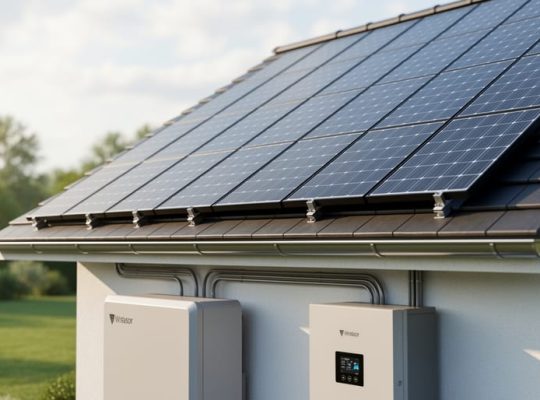
Inverters are the electronics that convert panel output into household power. If yours is still working and fairly recent, it can often be resold or reused, so ask your installer whether they’ll take it or know a buyer. If it’s dead or outdated, treat it as electronic waste and bring it to an e-waste recycler instead of the curb.
Batteries are a different story. Home storage units hold a lot of stored energy and contain materials that can be hazardous if damaged. Leave removal to a licensed installer or electrician, and ask about manufacturer take-back or certified battery recycling.
Leftover wiring, conduit, and mounting rails are mostly metal, so many scrap yards or recyclers will accept them. Keep everything separated and labeled by type to make the handoff easy.
What to Do With Your Old Panels: Resell, Donate, or Recycle
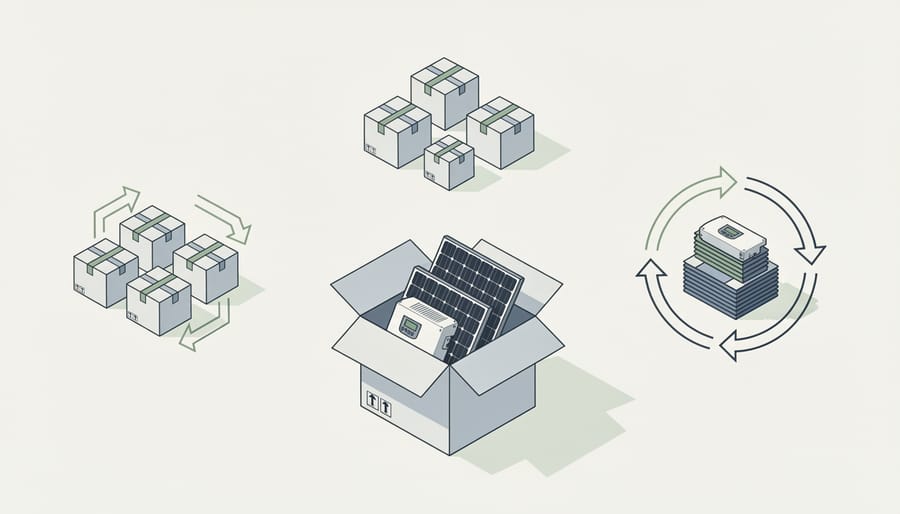
Selling or Donating Panels That Still Work
If your panels still produce power, they’re worth more as a working asset than as scrap. Start by testing them. With a multimeter, measure each panel’s open-circuit voltage in full sun and compare it with the rating printed on its label. A panel reading far below that number may be degraded, which affects both price and who will want it.
Next, document what you have. Photograph each panel, record the brand, model, wattage and manufacture date from the label, and note any scratches, cracked cells, bent frames or discoloration. Buyers pay for honesty, and clear records speed up a sale.
For buyers, try used-panel marketplaces, local solar installers who resell, and classified listings. For donations, ask community groups, off-grid cabin projects and vocational training programs whether they accept used panels. Always confirm they understand the panels’ age and condition before handing anything over.
Recycling Damaged or End-of-Life Panels Responsibly
Panels that are cracked, delaminated, or simply past their useful life still hold valuable material. Recyclers typically recover the aluminum frame, the glass, and metals such as copper and silver, and some facilities also reclaim the silicon. That’s why a damaged panel belongs at a recycler, not in your household trash.
To find a certified facility, start with your installer or the panel manufacturer, since some offer take-back programs. Your state or local environmental agency can also point you to approved solar recyclers, and rules vary by region, so check before you book anything.
Transport matters, especially with broken glass. Wrap cracked panels in heavy blankets or stretch film, lay them flat or stand them upright on padded supports, and strap them down so they can’t shift. Wear cut-resistant gloves and safety glasses when handling them. Ask the recycler how they want damaged panels packaged before you drive over.
Confirming the Job Is Done Right: Roof, Paperwork, and Next Steps
Once the last panel is off, the job isn’t finished. The weeks after removal are when small leaks, missed calls, and lost paperwork turn into bigger headaches, so it pays to run through a quick checklist.
- Inspect every roof penetration and flashing spot for gaps, lifted shingles, or sealant that looks cracked, then check your attic for damp patches or staining after the next rain.
- Confirm your utility has been notified and has closed out or updated your interconnection and net metering account, so you aren’t billed or credited incorrectly.
- Tell your homeowner’s insurer the system is gone, since your coverage and premium may change.
- Keep receipts, installer invoices, and any recycling or donation certificates in one folder.
- Decide whether you want a replacement system, and start gathering your usage data now if so.
Roof repairs deserve the most attention. If a contractor handled removal, ask them to show you how each bolt hole was sealed, and photograph the roof before and after for your records.
Paperwork is the other quiet risk. Tax credits, incentives, and property records can all be affected when a system comes off, and the rules vary by location, so run these changes past a tax professional or your local program office before you file anything.
If you’re planning to go solar again, treat the next purchase with the same care you gave this exit. Our guide on how to spot product integrity in a review helps you separate honest assessments from sales copy, and it’s useful to understand how renewable energy tested before it reaches your roof. When you’re ready to compare newer, more efficient panels, our solar panel reviews are the place to start.
Frequently Asked Questions About Getting Rid of Solar Panels
Can I throw solar panels in the trash?
No. Panels contain glass, aluminum, and metals that are better recovered than buried, and many states and regions restrict or prohibit landfill disposal. Check your local rules, then use a take-back program or a certified solar recycler.
Does removing panels hurt my home’s value?
It depends on your market and whether the system is owned or leased. If you remove panels, ask a local real estate agent how buyers in your area view solar, and be sure the roof is repaired properly afterward.
Can I remove leased panels myself?
Almost certainly not. The provider owns the equipment, and your contract usually requires them to handle removal, so contact them first. Taking panels down on your own could breach the agreement.
How long do panels last before they need replacing?
Many panels keep producing power for decades, though output gradually declines. Check your warranty paperwork and have an installer test performance before assuming replacement is necessary.
Can I reuse panels somewhere else?
Often, yes. Working panels can power a shed, cabin, or off-grid setup, or be resold or donated, as long as they’re tested and undamaged.
If you’re also rethinking your power setup after removal, it helps to compare energy rates before deciding what comes next. Without panels, you’ll rely more on grid electricity, and you may find a better deal elsewhere. If a cheaper plan turns up, you can switch energy suppliers without waiting for a replacement system.
Getting rid of solar panels comes down to a few clear decisions. First, confirm that removal is actually the right call, and check who owns the system and what your contracts and warranties say. Then take the panels down safely, with the system fully shut down and a licensed professional doing the roof work. Once they’re off, match their condition to the right exit: sell or donate panels that still produce power, and send damaged or worn-out ones to a certified recycler instead of the trash.
If you take one thing from this guide, make it the safety message. Panels generate electricity whenever light hits them, and roofs are unforgiving. Whenever you feel unsure about the wiring, the roof pitch, or the permits, stop and call a pro.
When you’re ready for what comes next, the same careful approach applies to choosing your replacement. Browse the Top Solar Panels Reviews from Sun Nature Power Solutions to compare options and pick a system that fits your home for the long haul.