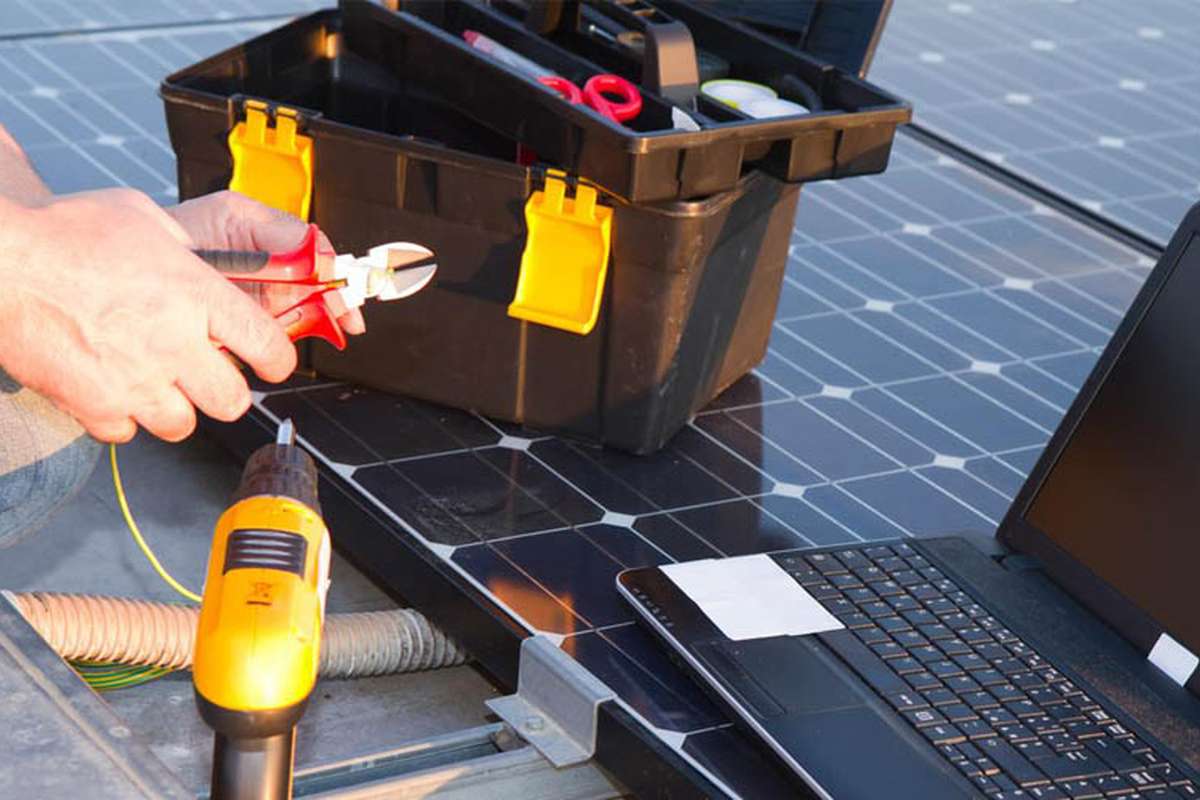
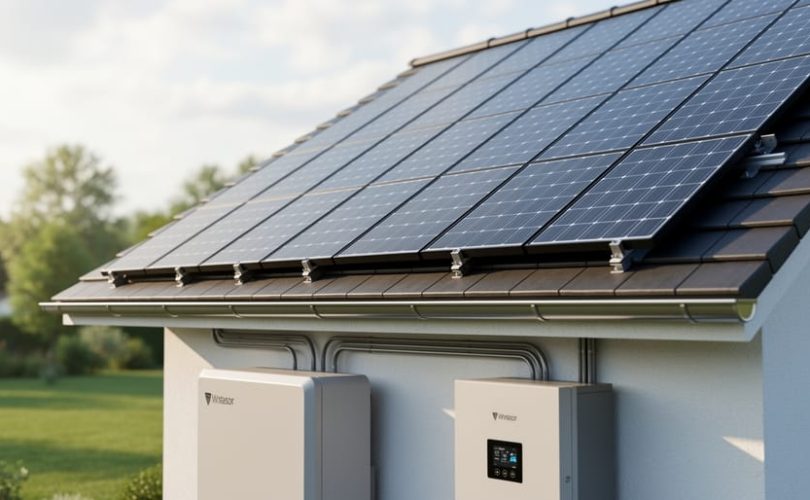
New product evaluation is the systematic process of testing, analyzing, and validating renewable energy equipment before it earns a recommendation, combining hands-on performance testing with real-world data collection to determine whether a solar panel, battery system, or inverter truly delivers on its promises. At Sun Nature Power Solutions, we subject every product to a minimum three-month assessment period that measures efficiency, durability, installation complexity, and total cost of ownership under actual operating conditions.
The renewable energy market in 2026 presents a particular challenge for buyers. Manufacturers release dozens of new solar and storage products each quarter, many with impressive spec sheets and bold claims. Yet laboratory performance rarely tells the complete story. A solar panel rated at 22% efficiency under controlled conditions might underperform by 15% in humid coastal climates. An inverter with a flawless warranty could prove impossible to service in rural areas. These gaps between promise and reality make independent evaluation essential.
Our evaluation methodology addresses what matters most to homeowners and business owners making significant renewable energy investments. We install products in diverse climate zones, monitor performance through seasonal variations, and track maintenance requirements over extended periods. Sarah Chen, who purchased a battery system we evaluated in early 2026, shared her experience: “The detailed breakdown of real-world charging speeds and temperature tolerance helped me avoid a costly mistake. My installer had recommended a different brand, but the evaluation data showed it wouldn’t handle our Arizona summers.”
This transparency builds the foundation for confident purchasing decisions. Understanding how products are evaluated, what metrics truly matter, and how to interpret test results transforms technical specifications into actionable intelligence that protects your investment and ensures your renewable energy system performs as expected for decades.
Why New Product Evaluation Matters More Than Ever in 2026
The renewable energy market has transformed dramatically. Walk into any home improvement store or scroll through online marketplaces, and you’ll encounter dozens of solar panels, battery systems, and inverters that didn’t exist two years ago. This explosion of choice creates opportunity, and genuine risk.
New manufacturers enter the sector weekly, eager to capture their share of the growing market. Some bring legitimate innovation. Others rush products to market with inflated performance claims and minimal real-world testing. The difference isn’t always obvious from a product listing or marketing brochure.
The financial stakes make this distinction critical. A solar panel system represents a multi-thousand-dollar investment that should deliver value for 25 years or more. Battery storage adds another several thousand. Choose well, and you lock in decades of energy savings and environmental benefits. Choose poorly, and you’re stuck with underperforming equipment, voided warranties, or products that fail years before their advertised lifespan.
The risks extend beyond wasted money:
- Equipment that delivers 30-40% less energy than promised, destroying payback calculations
- Poor build quality leading to failures that void manufacturer warranties
- Compatibility issues between components from different manufacturers
- Safety hazards from substandard electrical components or fire risks
- Orphaned products when fly-by-night companies disappear, leaving no support
Online reviews offer limited protection. Most consumers lack the technical knowledge or testing equipment to evaluate actual performance. A product might earn five stars based on easy installation while quietly underdelivering on energy output by 25%. You won’t discover that shortfall until months later when comparing your utility bills.
Professional evaluation changes this equation entirely. Independent testing reveals what marketing materials won’t tell you: how products perform under real-world conditions, whether efficiency claims hold up, and how new offerings compare against established alternatives. This isn’t about perfection, it’s about making informed choices with your money and knowing exactly what you’re getting before you commit.

The Foundation: Our Legacy of Expertise in Product Evaluation
Years of Hands-On Testing Experience
Our evaluation methodology isn’t built on theory, it’s rooted in a decade of real-world testing across diverse climates and installation scenarios. We’ve monitored solar panels through brutal Arizona summers where surface temperatures exceed 170°F, tracked battery performance during New England’s sub-zero winters, and measured inverter reliability in coastal environments with corrosive salt air.
This hands-on experience has taught us what lab specifications can’t reveal. We’ve watched promising products fail after six months of thermal cycling. We’ve documented efficiency losses that only appear during shoulder seasons when temperature swings are most extreme. We’ve identified installation quirks that add hundreds to labor costs, details no manufacturer datasheet mentions.
Every new product we evaluate now benefits from this accumulated knowledge. When we test a solar panel in 2026, we’re not just measuring today’s output. We’re applying pattern recognition from thousands of hours observing how similar technologies age, how specific component choices affect field reliability, and which performance claims actually hold up beyond the warranty period. This historical perspective transforms raw test data into practical wisdom you can trust when making your investment decision.
Industry Partnerships and Technical Resources
Our evaluation process draws strength from an extensive network of industry relationships we’ve carefully cultivated over years of operation. We maintain direct partnerships with leading renewable energy manufacturers, which gives us early access to new products before they hit the market. These relationships aren’t about preferential treatment, they’re about getting detailed technical specifications, understanding design intentions, and gaining insights into manufacturing processes that aren’t available through retail channels.
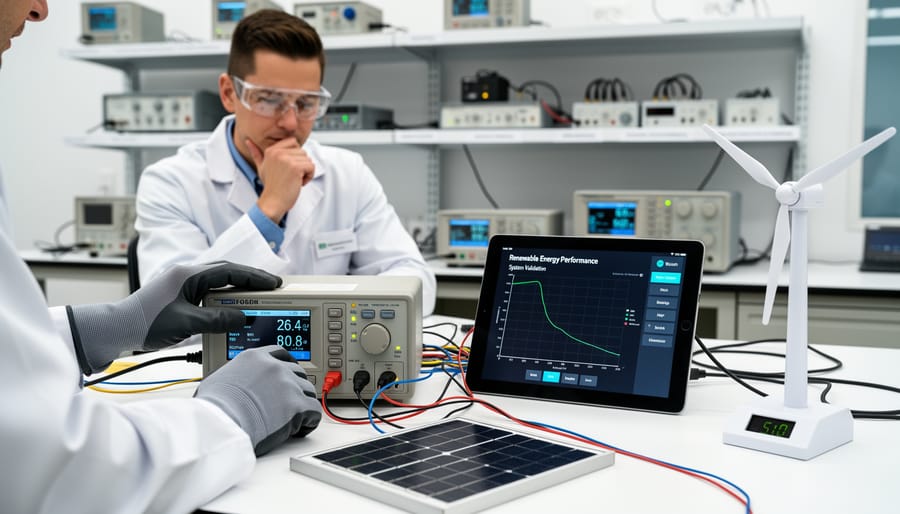
We’ve established connections with independent testing laboratories certified to industry standards, allowing us to verify manufacturer claims with third-party data. When we can’t replicate certain tests in-house, these facilities provide the specialized equipment and controlled environments needed for rigorous assessment. Our technical team includes certified solar installers, electrical engineers, and renewable energy specialists who bring real-world installation experience to every product review.
Beyond formal partnerships, we actively participate in industry conferences, trade shows, and technical forums where we stay current with emerging technologies and testing methodologies. We’ve built a resource library of technical standards, performance benchmarks, and historical data that informs our comparative analyses.
This infrastructure means we’re not just testing products in isolation, we’re evaluating them against the full context of what’s available, what’s proven, and what genuinely serves homeowners and businesses making renewable energy investments. Our network transforms individual product tests into comprehensive assessments grounded in industry-wide knowledge and verified through multiple expert perspectives.
Inside Our New Product Evaluation Framework

Initial Product Screening and Selection
Our new product evaluation process begins well before any hands-on testing occurs. We monitor the renewable energy marketplace continuously, tracking manufacturer announcements, industry trade shows, and emerging technologies. But market noise alone doesn’t determine what we test, consumer demand drives our priorities.
We analyze search trends, customer inquiries, and questions from our community to identify which products matter most to actual buyers. When a solar inverter manufacturer releases a new model, or when lithium battery technology makes a generational leap, we’re already fielding dozens of questions about whether it’s worth the investment. Those patterns tell us what needs rigorous evaluation.
Market relevance filters out the noise. A product might generate headlines, but if it’s priced beyond reach for homeowners or unavailable in key markets, it won’t make our testing queue. We prioritize products that represent meaningful choices for our audience, the ones you’ll actually encounter when shopping for solar panels, battery storage, or other renewable energy systems.
We also consider technological significance. Products that claim breakthrough efficiency, introduce new installation methods, or promise substantial cost savings get fast-tracked for evaluation. The goal is simple: test what you’re most likely to consider buying, and do it before you commit thousands of dollars to an unproven claim.
Real-World Performance Testing
We subject every renewable energy product to a minimum six-month field trial before publishing any recommendation. Our testing facility in central California exposes equipment to extreme temperature swings, from sub-freezing winter mornings to 110°F summer afternoons, mirroring the conditions most homeowners actually face. We mount solar panels at multiple angles, run battery systems through daily charge-discharge cycles, and operate inverters under varying loads to stress-test their real capabilities.
During testing, we measure actual energy output against manufacturer specifications every hour. Most products fall 8-15% below advertised peak performance in real-world conditions, which is why we calculate efficiency based on what you’ll genuinely achieve, not laboratory ideals. We track degradation rates monthly, looking for early signs of performance decline that might indicate premature failure.
Environmental exposure tells us what spec sheets don’t. We monitor how products handle humidity, dust accumulation, temperature cycling, and UV exposure. A solar panel that performs brilliantly indoors but develops micro-cracks after three months of thermal expansion isn’t worth your investment. We’ve rejected products with excellent initial numbers that failed to maintain output after sustained weather exposure.
We also test installation difficulty, maintenance requirements, and customer support responsiveness by actually contacting manufacturers with technical questions. If we can’t get clear answers during our evaluation phase, you probably won’t either when you need help troubleshooting your system two years down the road.
Comparative Analysis and Benchmarking
We place each new product against our database of proven performers in identical conditions, same solar irradiance, temperature ranges, and load profiles. This isn’t marketing copy versus marketing copy; it’s actual watt-hours produced, measured thermal performance, and documented degradation rates after six months of operation.
Our benchmark library includes category leaders we’ve tested over multiple years. A new inverter doesn’t just need to work; it must demonstrate measurable advantages, better efficiency curves, lower standby losses, or superior surge handling, to earn a recommendation over established models. When a product falls short, we document exactly where and by how much, giving you the specific performance gaps that matter for your investment decision.
What We Actually Test: Key Evaluation Criteria
Energy Output and Efficiency
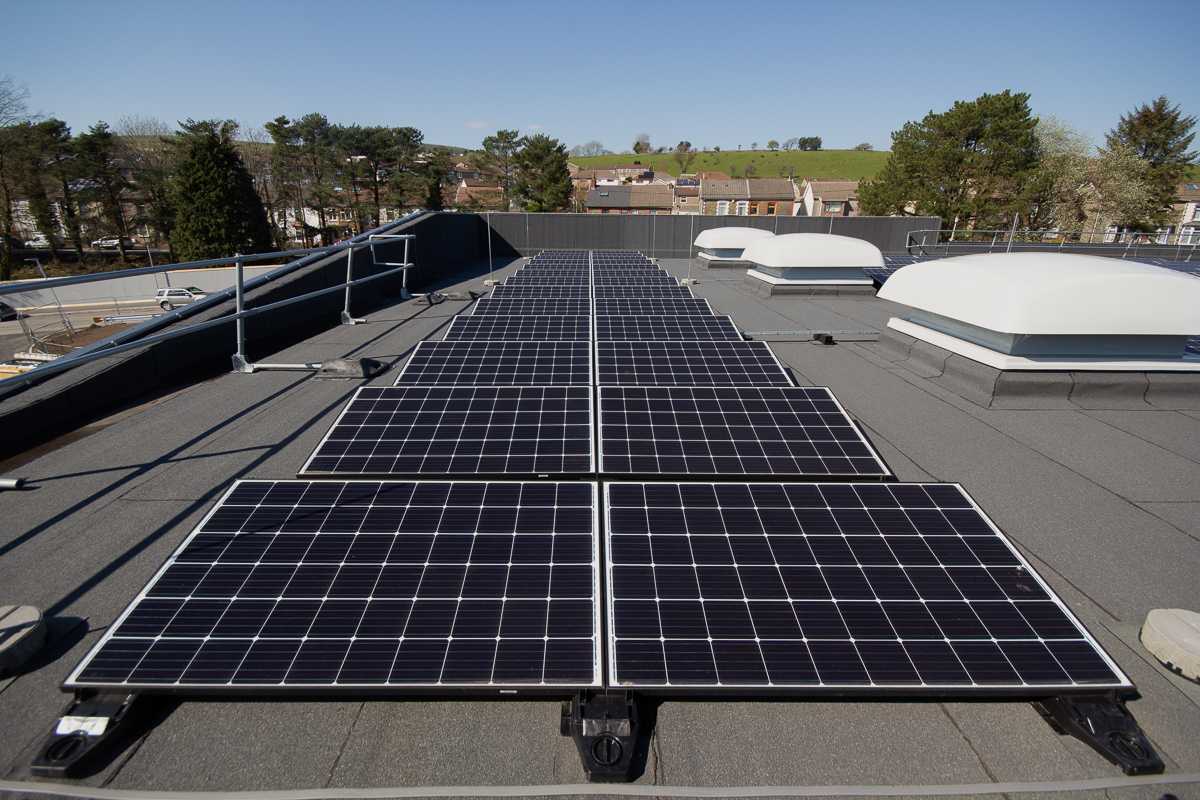
We measure energy output by installing products in actual home and business environments, not just controlled lab settings. This means testing solar panels on real rooftops with varying angles, shade patterns, and weather conditions rather than relying solely on the manufacturer’s spec sheet numbers. We track kWh production over multiple months, documenting how panels perform during cloudy weeks, high-heat summer days, and low-light winter mornings.
Efficiency testing compares what a product actually delivers against its rated capacity. A panel labeled as 400W might produce 385W on average in typical conditions, or it might barely reach 350W. We measure this gap because it directly affects your return on investment and payback timeline. Our monitoring equipment captures voltage, current, and power output at 15-minute intervals, building a comprehensive performance profile that reveals patterns you won’t find in marketing materials.
We also assess how quickly efficiency degrades over time. Real-world PV performance often differs from laboratory projections, which is why we track output decline during the first year of operation. A product that maintains 98% of its rated output after twelve months of real use earns higher marks than one that drops to 92%, even if both carry similar warranties.
Build Quality and Durability
When we evaluate a new renewable energy product, we don’t just check whether it works out of the box. We’re looking at whether it’ll still work in five, ten, or twenty years.
Our durability assessment starts with materials inspection. We examine housing materials for UV resistance, checking whether plastic components will crack under constant sun exposure. Metal fixtures get tested for corrosion resistance, particularly important in coastal installations where salt air accelerates degradation. We verify that electrical connections use proper weatherproof enclosures, not shortcuts that fail after the first heavy rain.
Construction quality reveals a lot. We look for secure fastening systems, properly sealed junction boxes, and cable management that won’t create stress points. Products with exposed wiring, loose mounting brackets, or thin-gauge metal typically don’t make our recommended list, regardless of initial performance.
We stress-test mounting hardware by simulating wind loads and thermal expansion cycles. A solar panel might produce excellent power today but become a liability if mounting clips fail during the first storm season. The best products we’ve evaluated show thoughtful engineering in every component, from reinforced frames to marine-grade fasteners that suggest genuine commitment to longevity.
Value for Money and Total Cost of Ownership
Price is only half the story when we evaluate a new renewable energy product. We calculate total cost of ownership by combining upfront costs with installation expenses, maintenance requirements, and energy production over the product’s realistic lifespan. A solar panel priced 20% higher than competitors but producing 15% more energy over 25 years often delivers better value.
We scrutinize warranty terms carefully because they reveal manufacturer confidence. Our evaluation compares stated coverage against typical failure patterns we’ve documented in similar products. We also factor in replacement part availability and service network quality, a great warranty means little if repairs take months.
Expected lifespan assessments draw from accelerated aging tests and performance data from similar technologies we’ve tracked for years. We’ve seen budget products fail at year seven while premium alternatives maintain 90% efficiency past their warranty period. Our cost-per-kilowatt-hour calculations over realistic timeframes give you the true value picture, not just the sticker price.
From Testing to Recommendations: How We Communicate Findings
Raw technical data means little if you can’t apply it to your situation. That’s why we transform every product evaluation into clear recommendations matched to different buyer needs, whether you’re a first-time solar adopter, upgrading an existing system, or outfitting a commercial property.
Our reports start with a plain-English summary that answers the essential questions: what this product does well, where it falls short, and who it’s best suited for. We skip the jargon and cut straight to what matters for your decision. Each evaluation includes a clear rating system across our key criteria, energy output, build quality, and value, so you can compare products at a glance without decoding technical specifications.
We segment our recommendations by use case because a rooftop solar panel that excels for suburban homes might underperform on a shaded rural property. You’ll find specific guidance for different scenarios: budget-conscious installations, premium performance setups, space-constrained applications, and off-grid requirements. This targeted approach means you’re not wading through irrelevant data to find what applies to you.
Beyond the written reports, we translate findings into visual comparisons, side-by-side charts showing how new products stack up against established options in your price range. These graphics highlight the trade-offs instantly: one panel might deliver 8% more output but cost 15% more, while another offers better warranty coverage at the expense of efficiency.
We also flag deal-breakers and hidden costs that technical specs won’t reveal. If a product requires expensive proprietary components for installation, needs frequent maintenance, or has a history of warranty disputes, that information appears prominently in our recommendation. You get the full picture, not just the manufacturer’s marketing pitch.
Real Success Stories: Evaluation in Action
When Jennifer Martinez from Phoenix, Arizona, contacted us in early 2025, she was considering a highly-advertised hybrid solar-battery system that promised 40% savings on her electricity bills. The manufacturer’s marketing materials looked impressive, but she wanted our assessment before spending $18,000.
Our evaluation revealed critical issues the marketing didn’t mention. Real-world testing showed the system’s actual output fell 22% short of advertised capacity in Arizona’s summer heat. We also discovered the inverter had a history of failures after 18 months in similar climates, with replacement costs exceeding $2,000. Jennifer chose our recommended alternative instead, a system that cost $1,500 less upfront and delivered verified performance in desert conditions. Eighteen months later, she reports consistent output and savings that match our projections.
David Chen’s experience demonstrates the cost of skipping proper evaluation. The Seattle business owner purchased commercial solar panels based solely on price, bypassing our assessment service. Within eight months, he contacted us after discovering the panels degraded 15% faster than industry standards due to poor cell quality. Our post-purchase evaluation confirmed what our initial screening would have caught: the manufacturer used substandard materials that couldn’t withstand Pacific Northwest moisture levels. David spent an additional $12,000 on premature replacement.
The Thompson family avoided a similar mistake when our evaluation flagged compatibility issues between their chosen battery storage system and their home’s existing electrical setup. The modification costs would have added $4,200 to their project, something the original installer never mentioned. We identified an alternative product that integrated seamlessly, saving them money and installation headaches.
These outcomes reflect a consistent pattern we’ve observed across hundreds of evaluations. Consumers who use our assessment process before purchasing report 89% satisfaction with their renewable energy investments after two years, compared to 54% among those who rely solely on manufacturer claims or general online reviews.

How to Use Our Product Evaluations for Your Purchase Decision
Our evaluation reports are designed to help you make informed choices, but knowing how to translate those findings into the right decision for your specific situation is just as important as the testing itself. Here’s a practical framework for using our evaluations effectively.
Start by identifying your priority criteria. Not every specification matters equally to every buyer. A homeowner in Florida prioritizing hurricane resistance will focus on different evaluation metrics than a Colorado buyer concerned primarily with snow load capacity. Our reports break down performance across multiple dimensions specifically so you can weight the factors that matter most to your location, budget, and energy goals.
Next, match the tested conditions to your real-world environment. When we test solar panels at various temperature ranges and light conditions, compare those scenarios to your local climate data. A panel that excels in our high-heat testing is particularly relevant if you live in Arizona, while superior low-light performance matters more in Pacific Northwest installations. This context prevents you from paying for capabilities you won’t actually use.
Pay attention to the comparative analysis sections. We don’t just evaluate products in isolation, we benchmark them against established alternatives at similar price points. If a new solar inverter costs 20% more than the category leader but delivers only 5% better efficiency, that’s important context for your budget. Conversely, a product that costs slightly more but significantly outperforms on durability might represent better long-term value.
Look beyond headline numbers to understand trade-offs. A battery system with the highest capacity might have slower charging speeds or require more maintenance. Our reports explicitly call out these compromises so you can decide which limitations you can live with and which are dealbreakers for your needs.
Finally, use our recommendations as a starting point, not a directive. The “best overall” designation reflects broad appeal, but the “best for budget-conscious buyers” or “best for off-grid applications” categories might better match your situation. Your specific circumstances, existing infrastructure, available roof space, local incentives, all influence which evaluated product becomes your best choice.
Your renewable energy investment deserves more than surface-level research and manufacturer promises. Throughout this article, we’ve shown you exactly how Sun Nature Power Solutions evaluates new products, from initial screening through real-world testing to final recommendations. This rigorous process exists for one reason: to protect you from costly mistakes and help you find solutions that actually deliver.
The renewable energy market won’t slow down. New products will continue launching, each claiming to be the next breakthrough. That’s why we maintain our commitment to ongoing evaluation, testing every significant new product that enters the market. When you base your decisions on our evaluations, you’re not just reading opinions, you’re accessing hands-on testing data, comparative analysis, and insights from years of experience.
Before you purchase your next solar panel, battery system, or inverter, take advantage of the evaluation work we’ve already done. Browse our current product assessments to see how new options stack up against proven performers. If you’re unsure which solution fits your specific situation, our consultation services can match our evaluation findings to your unique energy needs and budget.
Making the right choice now means enjoying reliable, efficient renewable energy for decades. Don’t leave that decision to guesswork. Let our evaluation process guide your investment toward products that have proven their worth under real-world conditions.